| Weight | 2 g |
|---|---|
| Dimensions | 125 × 25 cm |
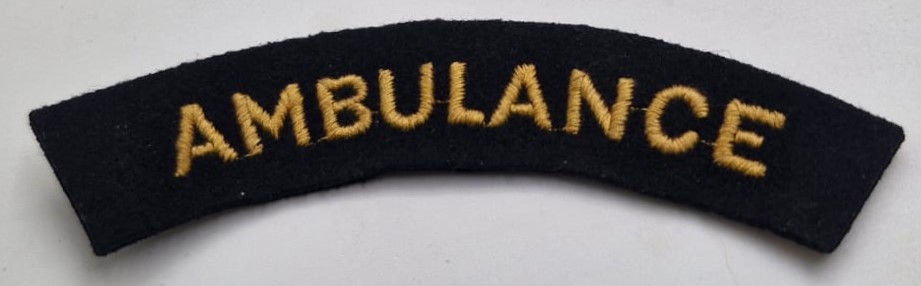
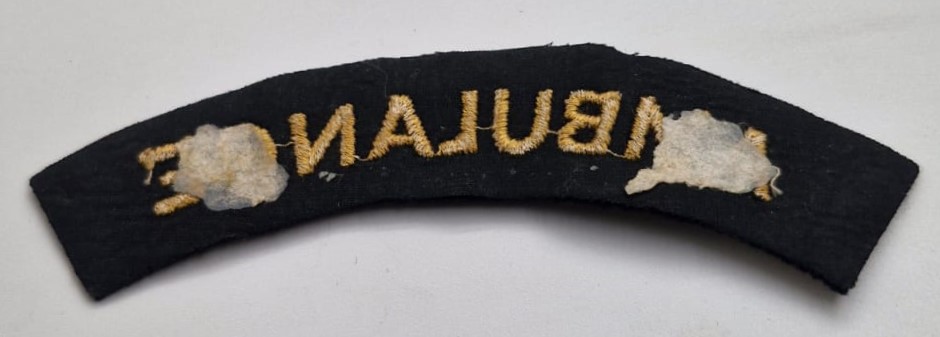
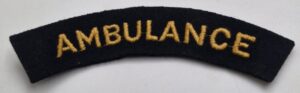
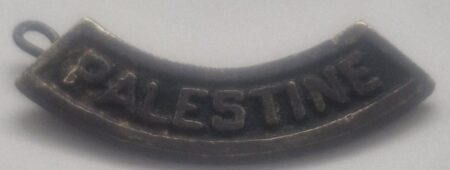
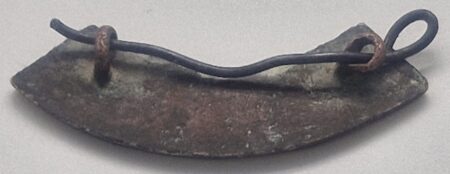
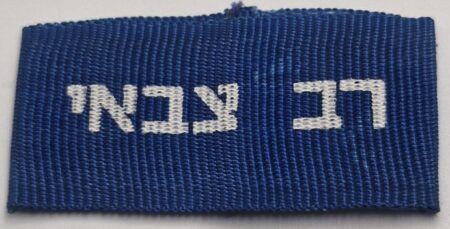
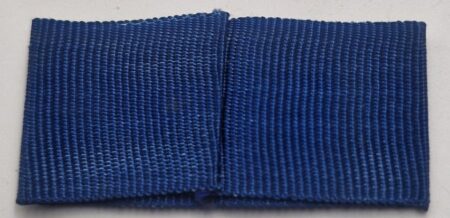
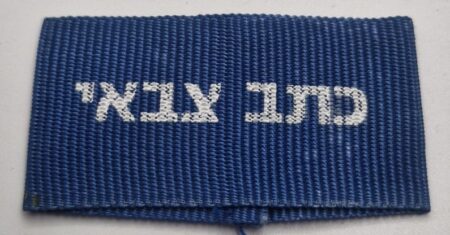
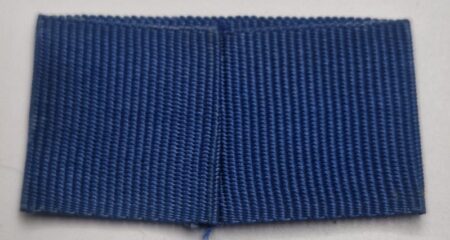
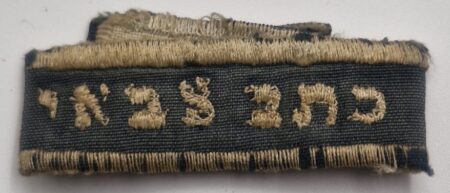
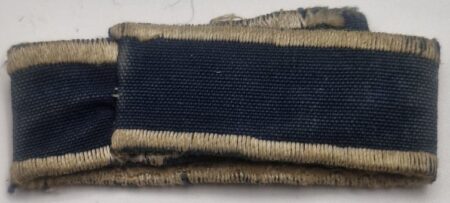
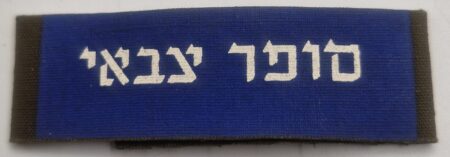
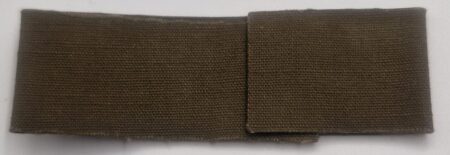
a mandatory ambulance shoulder title of the Mandate Police / Arp -Civil Defense
$30.00
The badge features a yellow-gold embroidery on a dark blue or black wool (sole) background, in a bow design characteristic of the standard British uniform, especially during the Second World War
.This shoulder badge was worn by medical and ambulance personnel of the British Civil Defence (then the British Civil Defence) or the official medical services of the Mandate government
or the St. Gohan Ambulance Service
(Civil Defence / ARP) Civil Defence in Israel
During the Second World War, due to the fear of aerial bombing (as actually happened in Tel Aviv and Haifa by the Italians and the French), the Mandatory government established a comprehensive Civil Defence
.The system included rescue, firefighting and medical units. Drivers and first aiders in the system’s ambulances wore these badges on the uniforms of the Battledresses
Department of Health of the Mandate government (Palestine Department of Health)
The British government operated hospitals government (such as in Jaffa, Haifa and Jerusalem) and had its own small fleet of ambulances that served government officials, the police and the army. The drivers of these official ambulances often wore official uniforms that included English identification badges.
Volunteers of the British rescue organizations St. John Ambulance
The British St. John organization operated in the country and provided medical and ambulance services. The organization’s members wore standard British uniforms and wore such type of role badges
Official ambulance personnel of the Palestine Police Force
Unlike the police in Britain who wore blue, in the colonies and mandated territories khaki uniforms were used for climatic reasons and because the force operated in a semi-military format (Gendarmerie), they wore semi-military khaki uniforms, almost identical to the working uniform of the British army
On the shoulders. The trousers were matching khaki trousers, (Epaulettes) In summer, khaki-yellow button-down shirts with two front pockets with epaulettes
. And sometimes they were replaced by shorts (in summer) accompanied by knee-length wool socks
Winter uniforms (battledresses)
They wore heavier wool suits (only) in khaki-brown or dark blue/black (similar to the British military jackets of World War II). On these jackets, embroidered shoulder badges
such as the one in question (“AMBULANCE”)
Embroidered role badges: On the sleeve of the shirt or winter jacket, rainbow badges (like the one in question) with inscriptions such as
“AMBULANCE” or “FIRST AID”
in yellow on a blue/black background were sewn to distinguish them from regular patrol officers
.
Length: 125 mm | Width: 25 mm
Weight: 2 g
In stock