| Weight | 8 g |
|---|---|
| Dimensions | 190 × 87 cm |

Sold
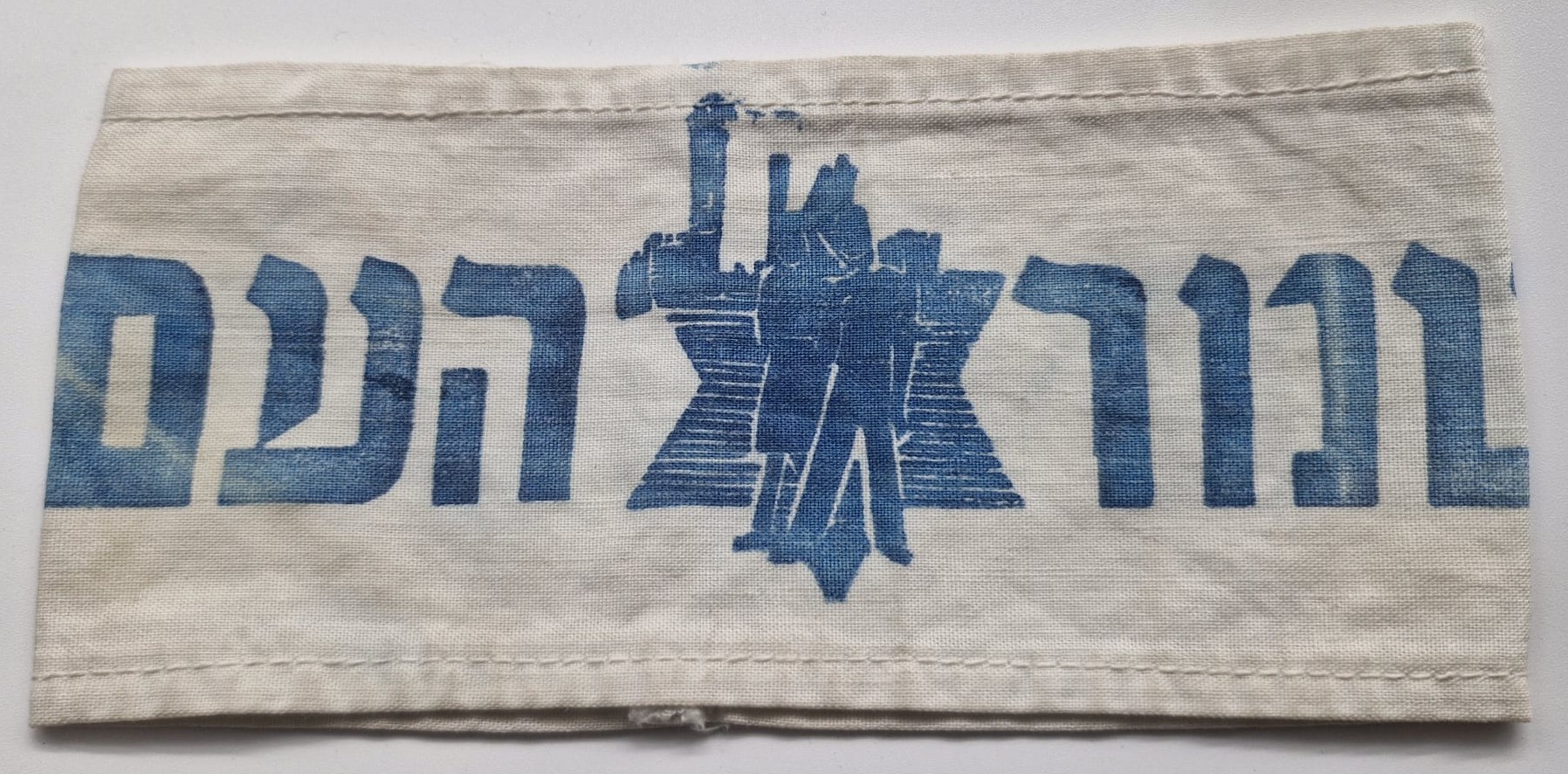
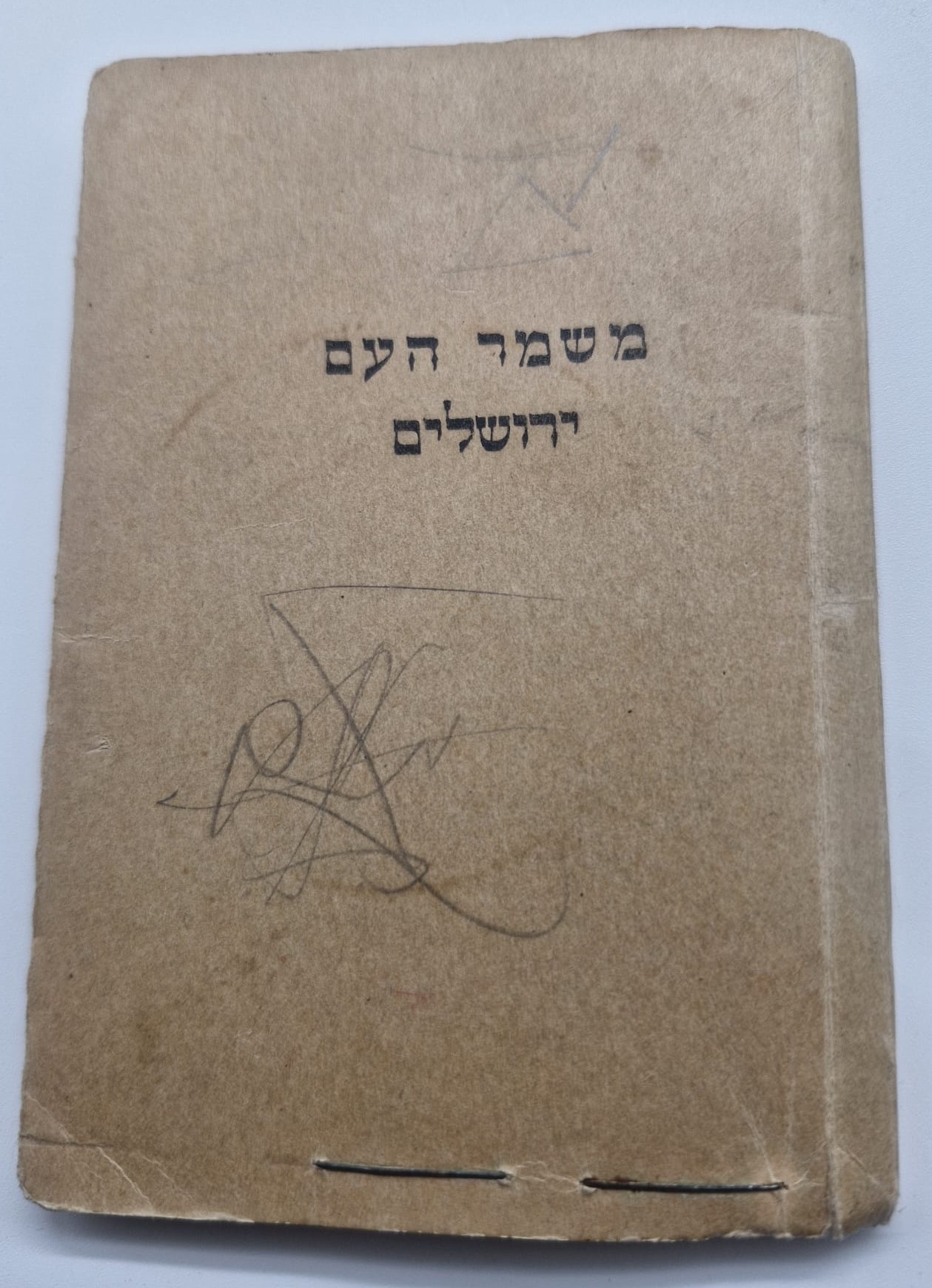
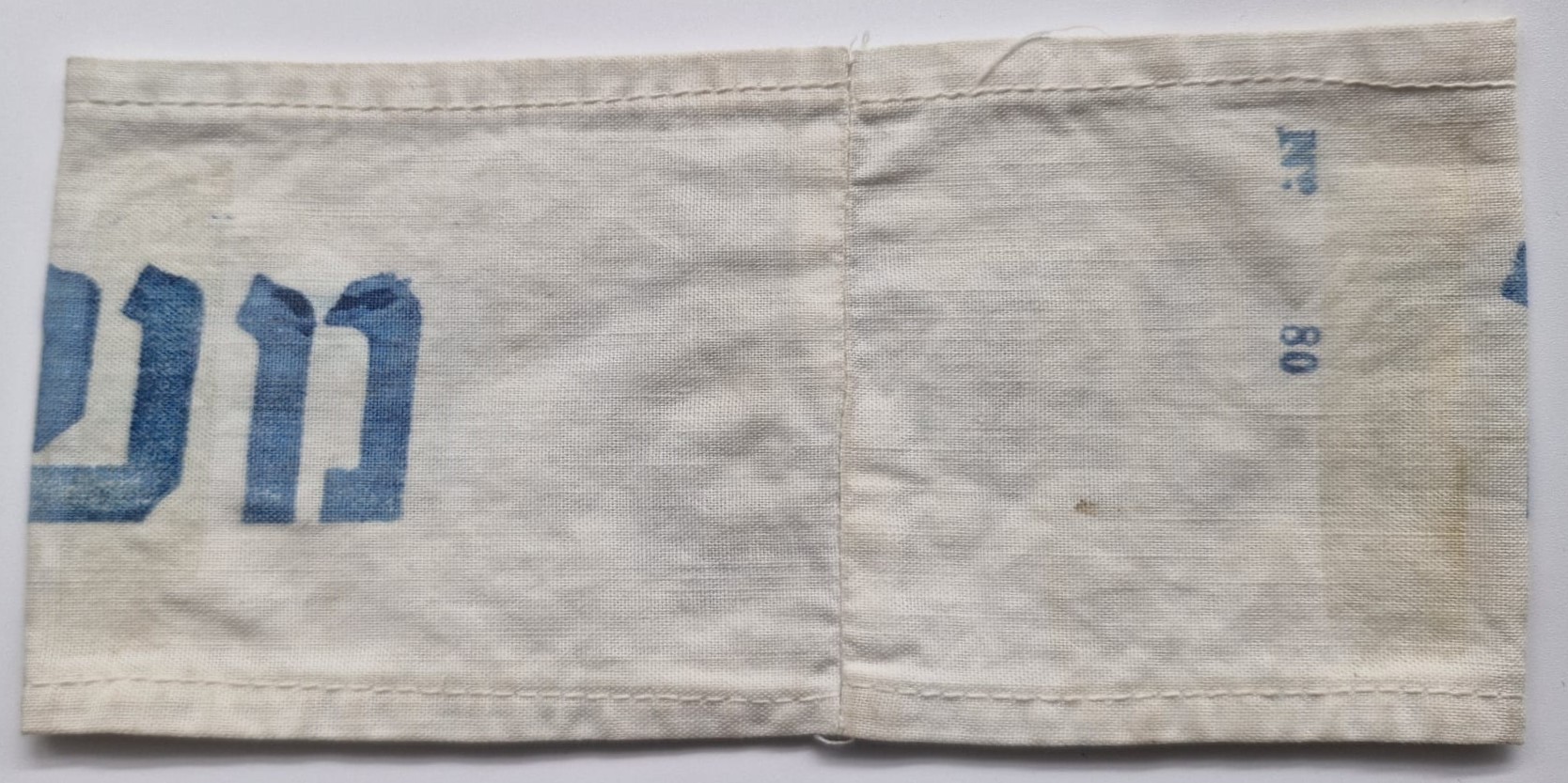
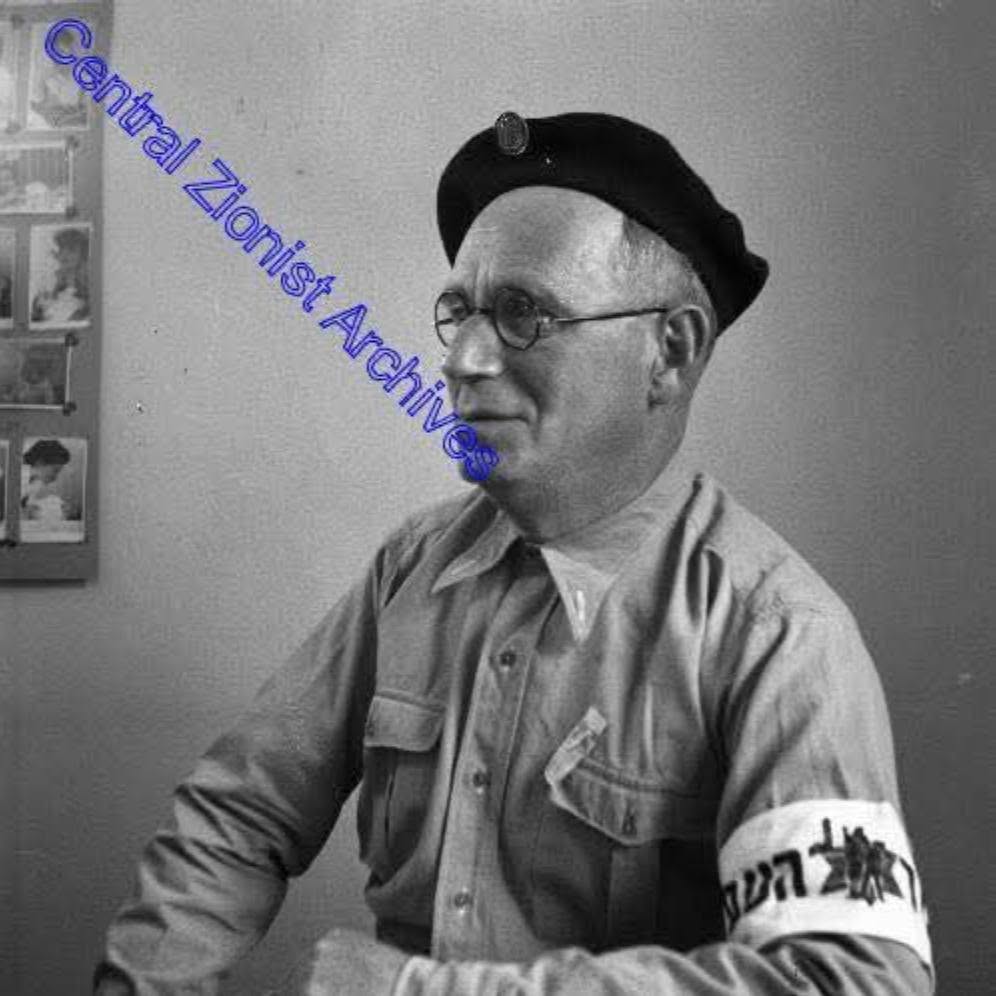
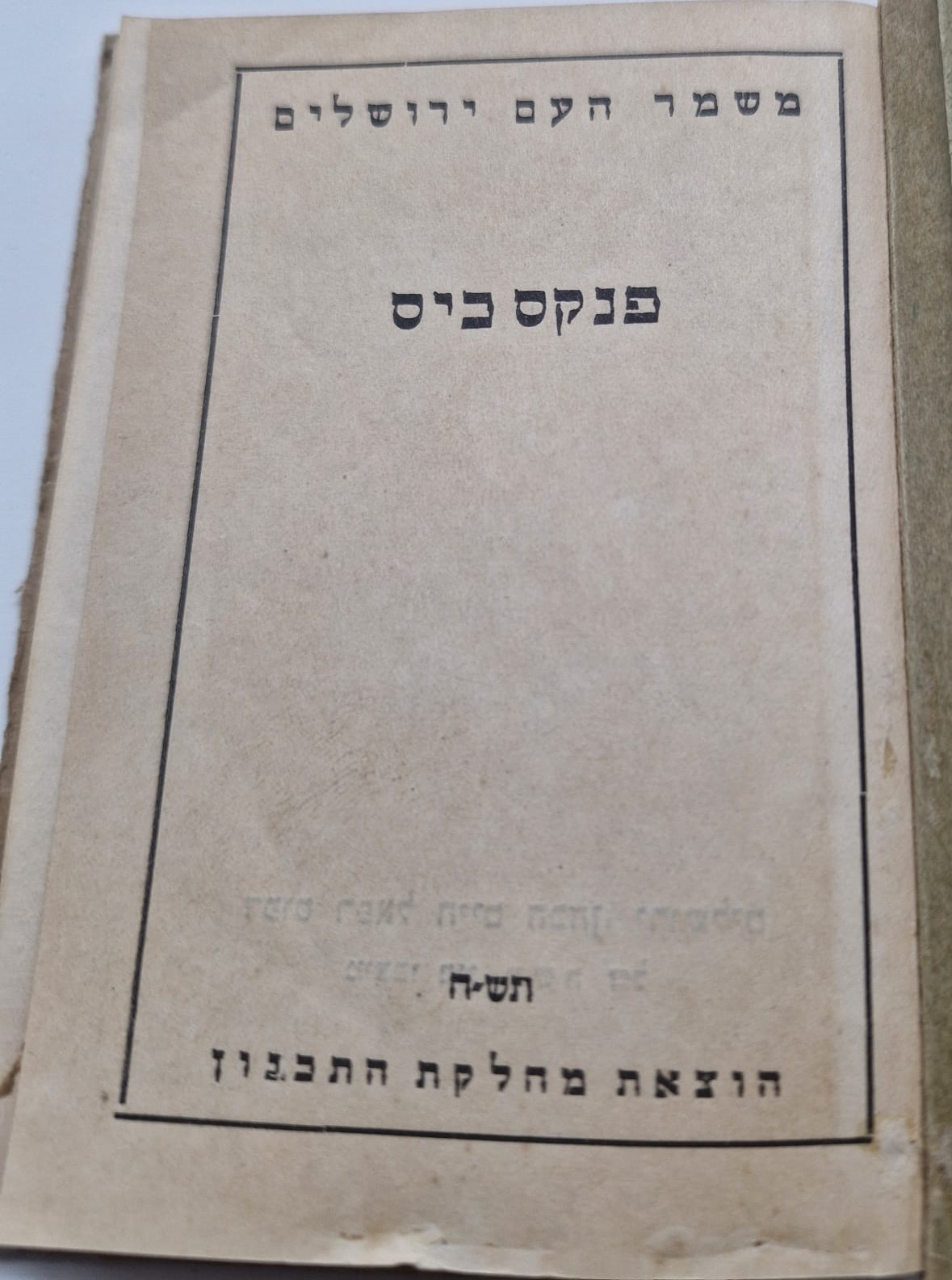
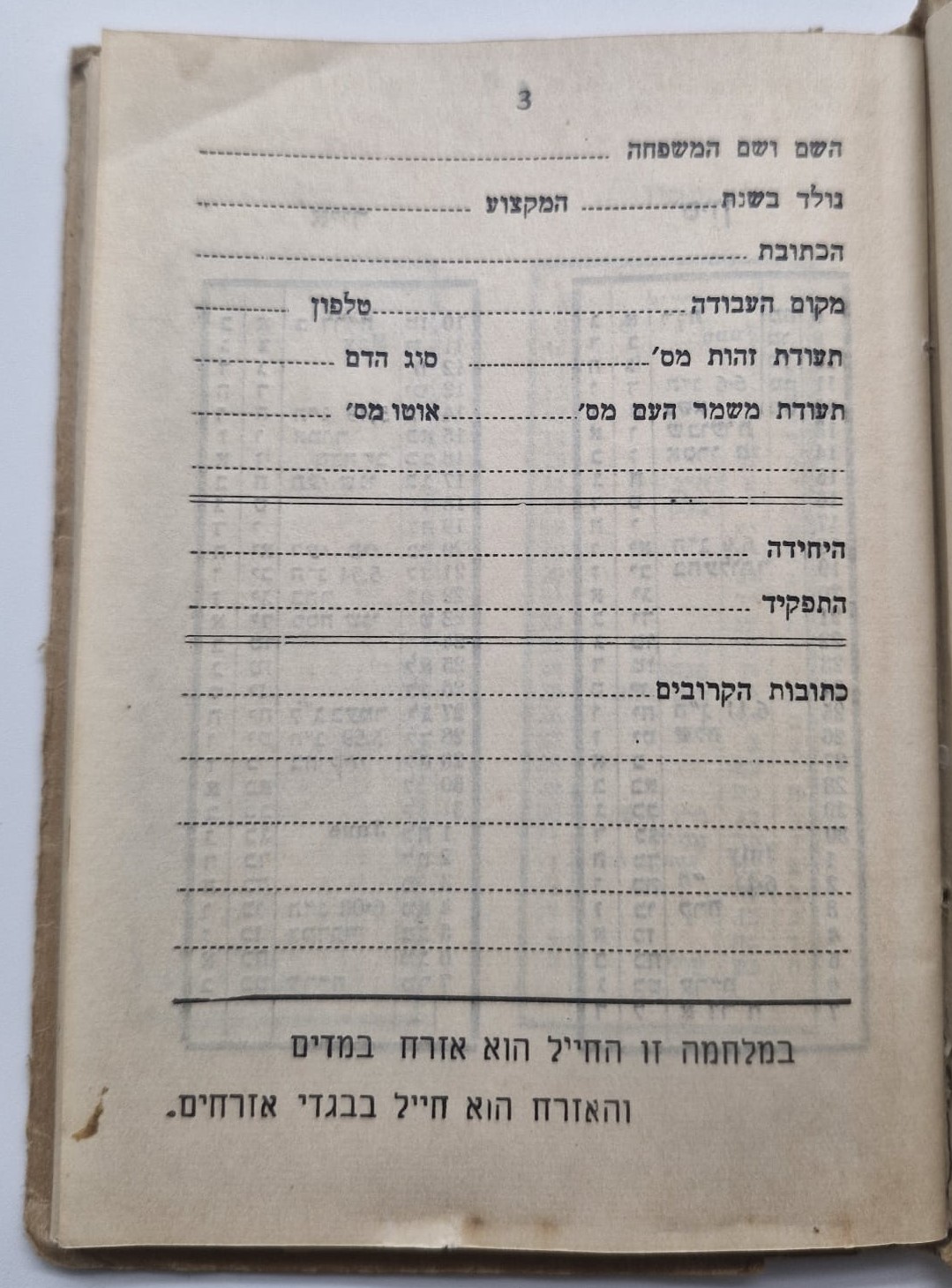
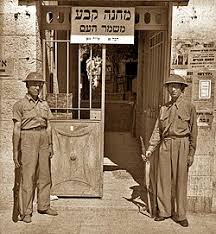
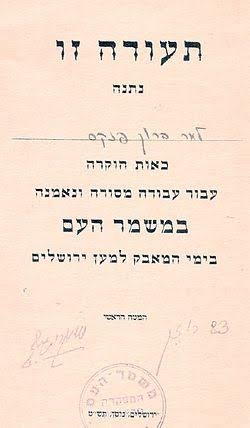
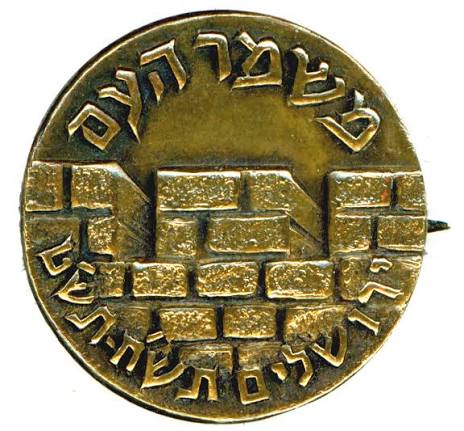
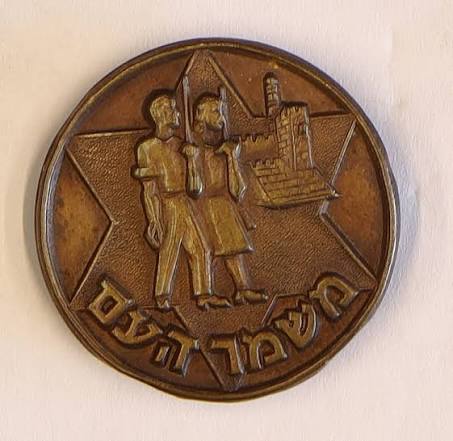
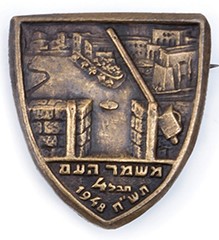
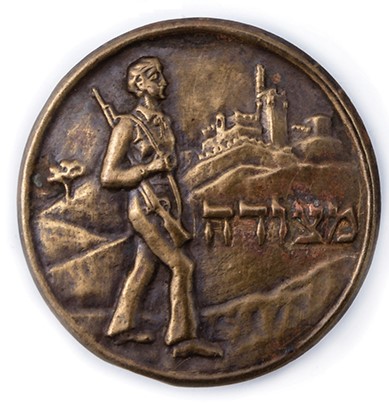
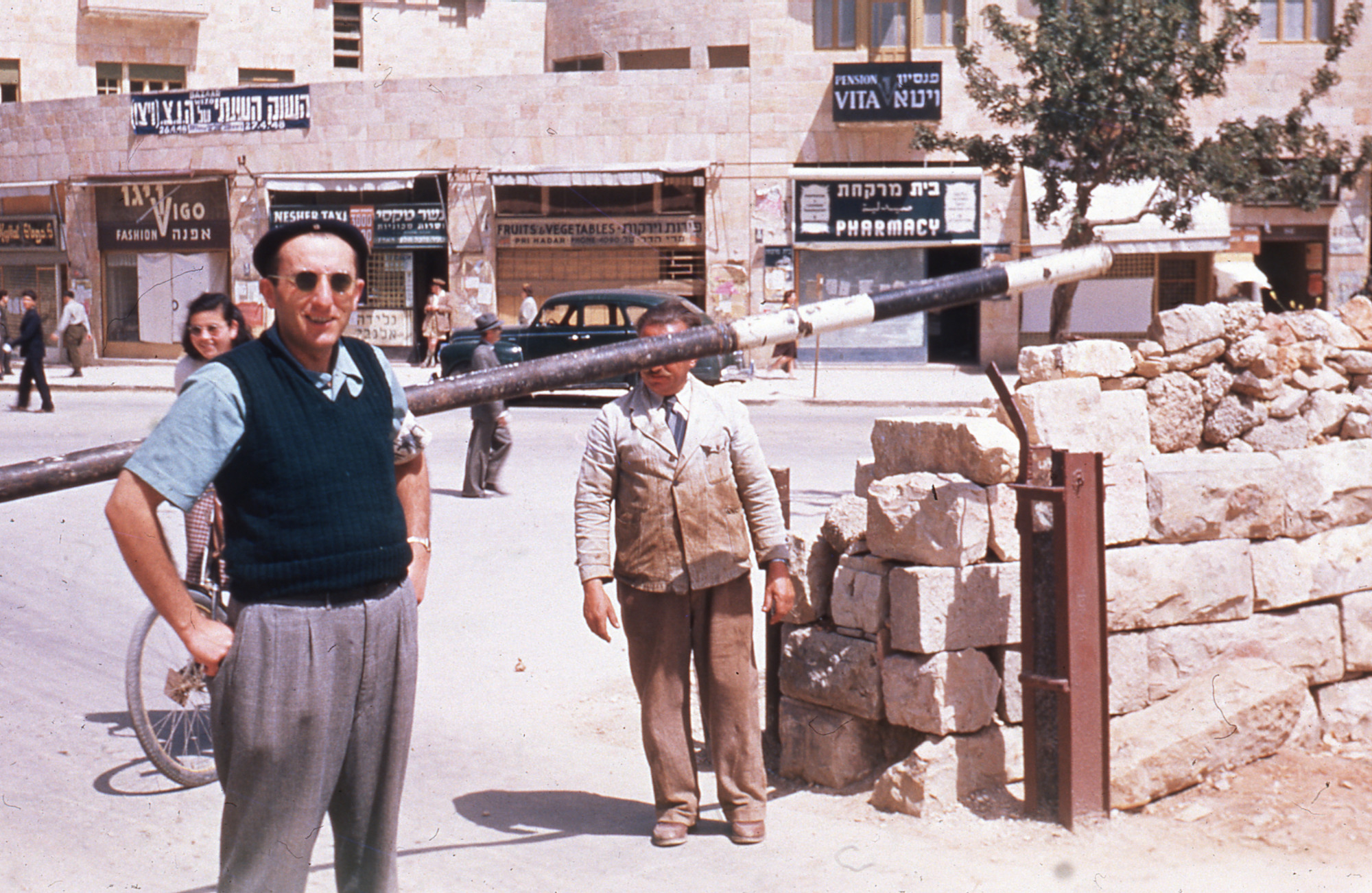
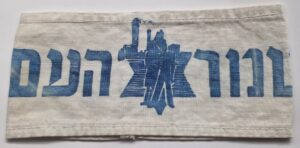
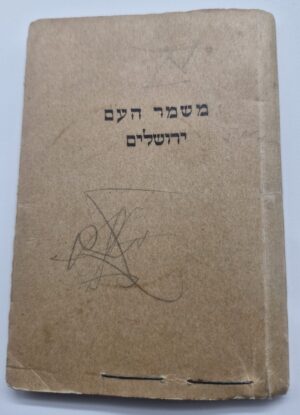
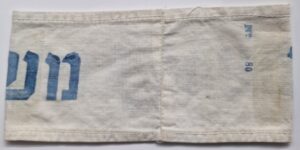
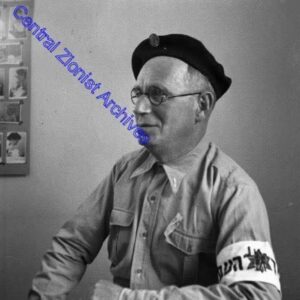
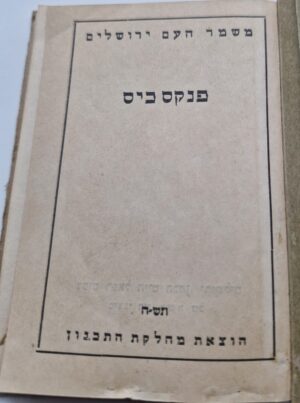
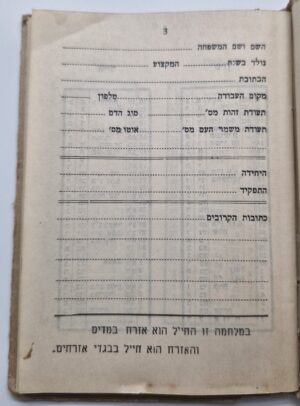
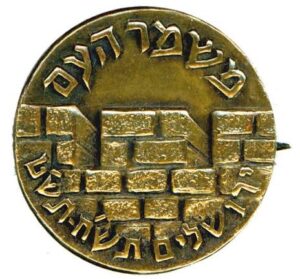
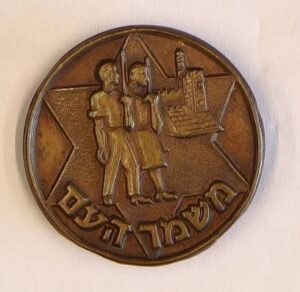
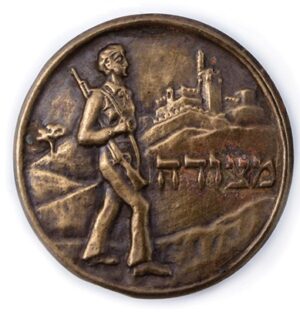
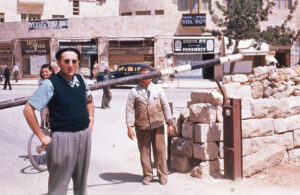
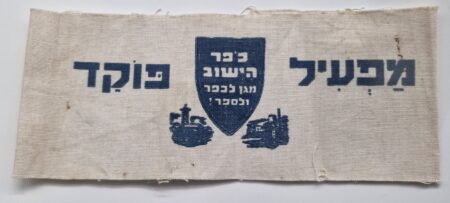
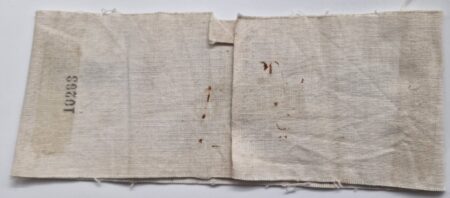
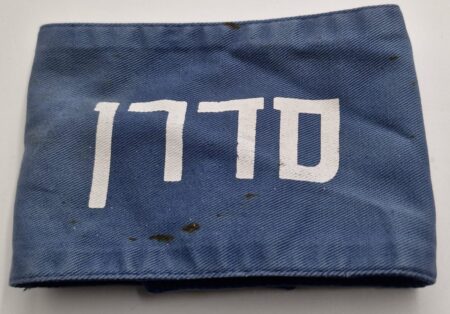
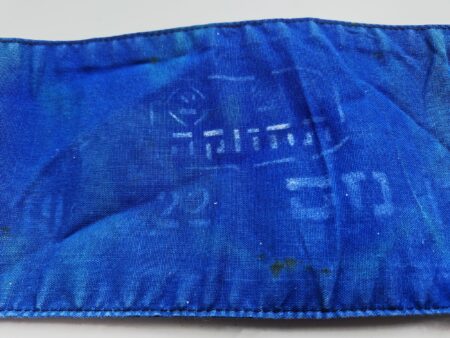
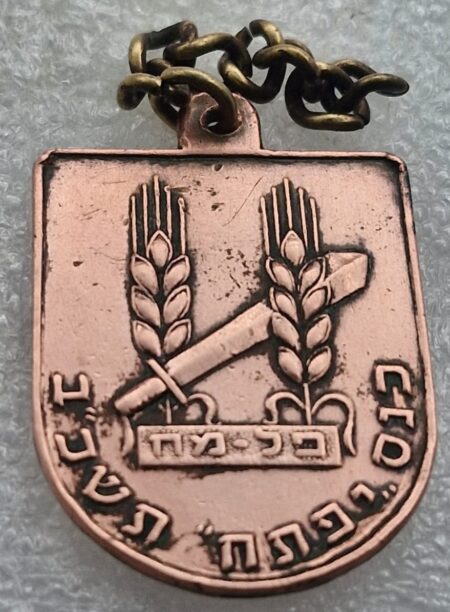
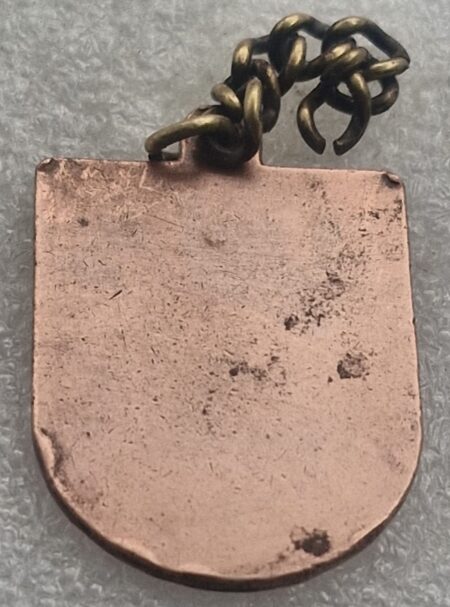
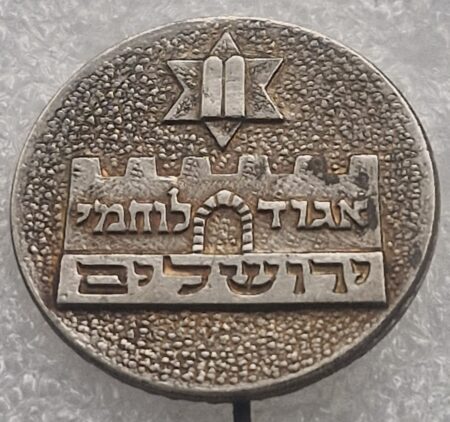
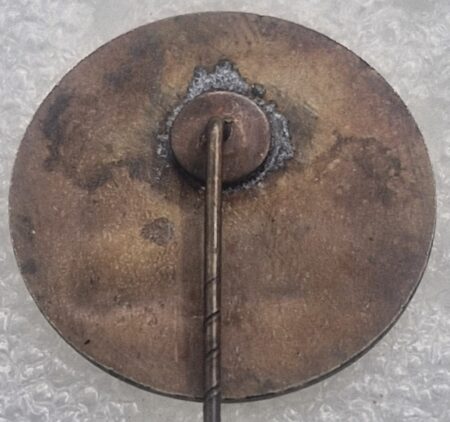
Lot of the Jerusalem People’s Guard: Numbered armband 80+ Rare pocket notebook, Jerusalem People’s Guard, 1948, 96 pages
$150.00
The People’s Guard was a volunteer unit designed to maintain order in large cities, including Haifa, Tel Aviv, Safed, and Jerusalem. In some cities, the unit was established before the establishment of the state, and in some – after it. The members of the unit were over conscription age, or young people who were not drafted into the army for health reasons. The branches that operated before the establishment of the state were mainly engaged in military defense operations and maintaining order during shelling, and those that were established after it were responsible for preparing the public in the event of an attack, and most of them later became members of the Civil Defense.
In Jerusalem
On November 29, 1947, the United Nations General Assembly decided on the partition plan that determined the end of the British Mandate for Israel and the establishment of two states, a Jewish state alongside an Arab state in the mandated territories, while leaving Jerusalem (along with Bethlehem) under international control. Both sides (the Jews and the Arabs) ignored the decision regarding Jerusalem, and each of the forces tried to seize control of the city and the transportation routes to it.
The Arab forces succeeded in taking control of strategic hills in the Latrun and Shaar al-Hayyah areas that overlooked the main road and sniped at Israeli vehicles that tried to pass through. Only armored convoys were sometimes able to break into the city and bring it supplies. In addition, the Arab forces succeeded in stopping the flow of water to Jerusalem. This period is called the Siege of Jerusalem.
The result of the siege was a shortage of both ammunition and combat equipment and essential supplies (food, water, cooking fuel). As a result of the shortage, rationing was decided upon and coupon books were distributed, but the city’s residents had difficulty getting used to the rationing, and even less so to the long lines that stretched out in front of the distribution points, so riots broke out during the distribution of supplies and there was a fight over the line (especially the line for water distribution).
To deal with these challenges, a volunteer unit was established in September 1947 to maintain order in the city. The unit accepted people over conscription age and those who did not enlist for health reasons. The commanders were some of those who were defined as “essential workers” and were not drafted, as well as Lieutenant Colonel Ze’ev Epstein (Evnat), who was the unit’s commander[2].
Later, the People’s Guard was assigned additional roles, such as:
Assisting in the defense of civilians, responsibility for shelters, following the example of London during the Blitz.
Worked to prevent theft and looting of shops and apartments in combat zones.
Political role – preventing the escape of Jews from besieged Jerusalem, the unit’s members set up checkpoints and prevented exit.
Mount Scopus Guard.
Since the People’s Guard members were on the streets of the city during the shelling, the unit suffered significant losses
Length: 190 mm | Width: 87 mm
Weight: 8 g
Out of stock