| Weight | 7 g |
|---|---|
| Dimensions | 125 × 556 cm |

Sold
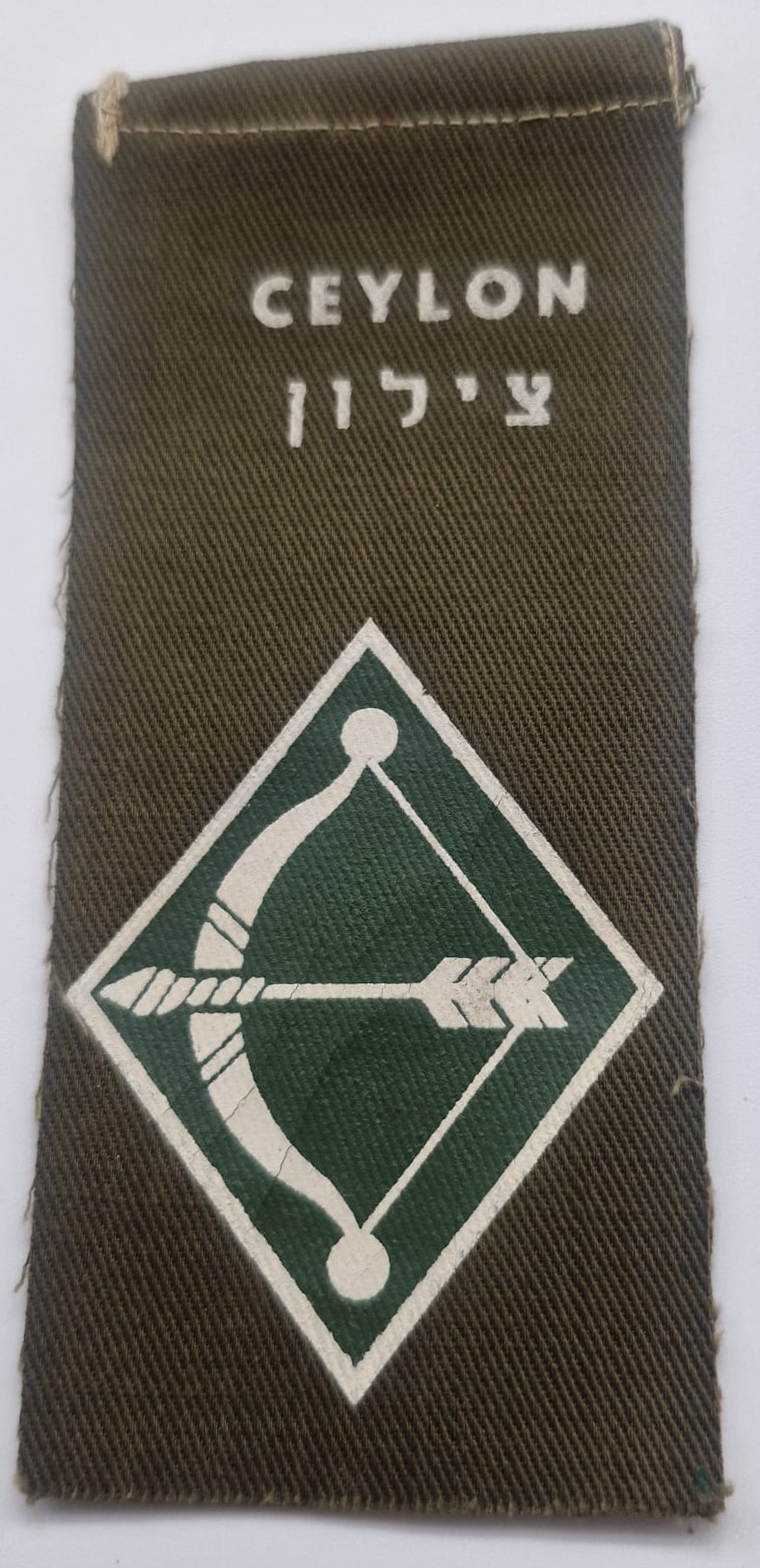
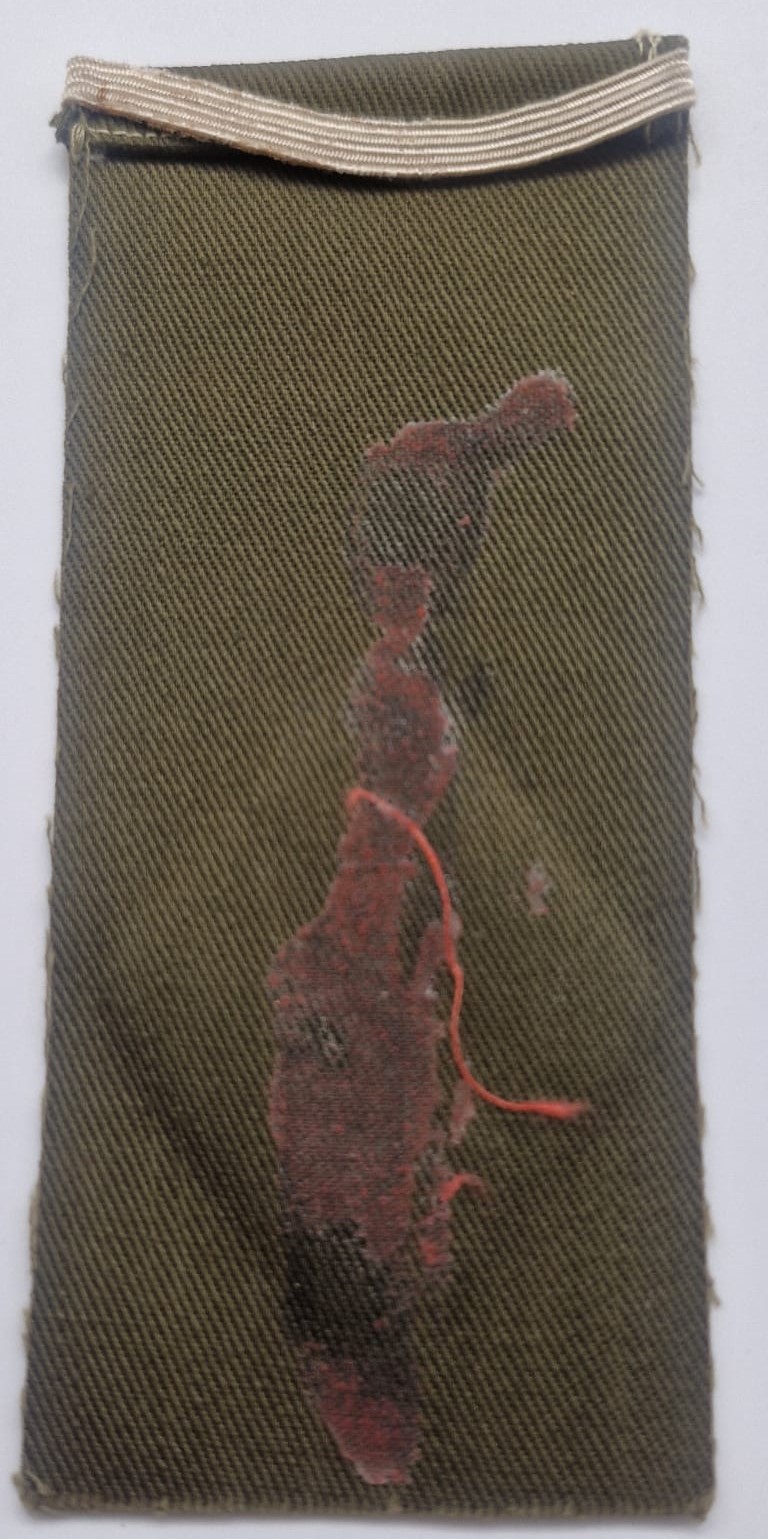
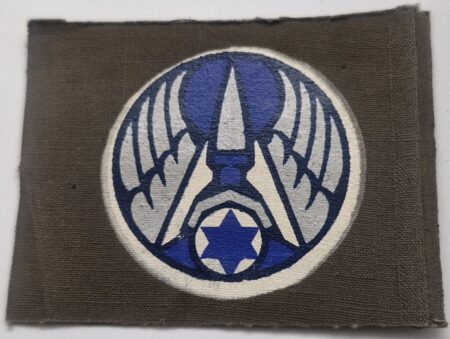
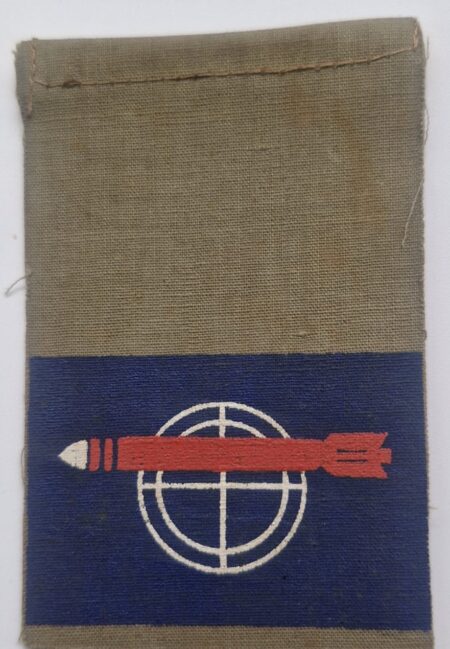
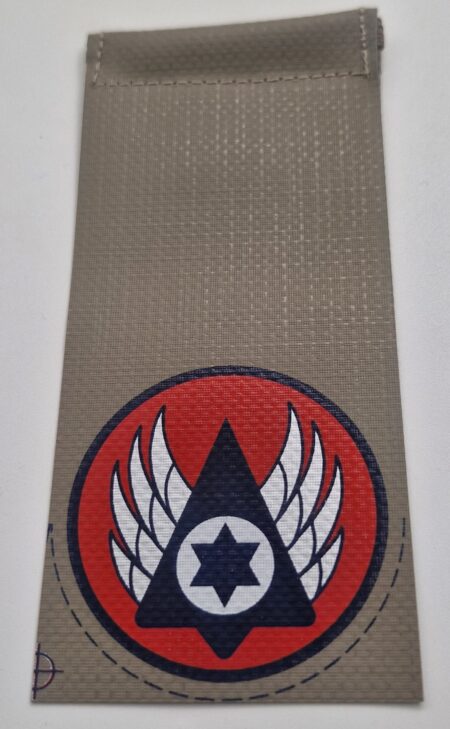
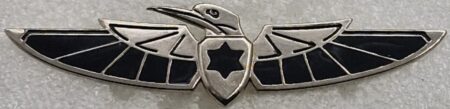
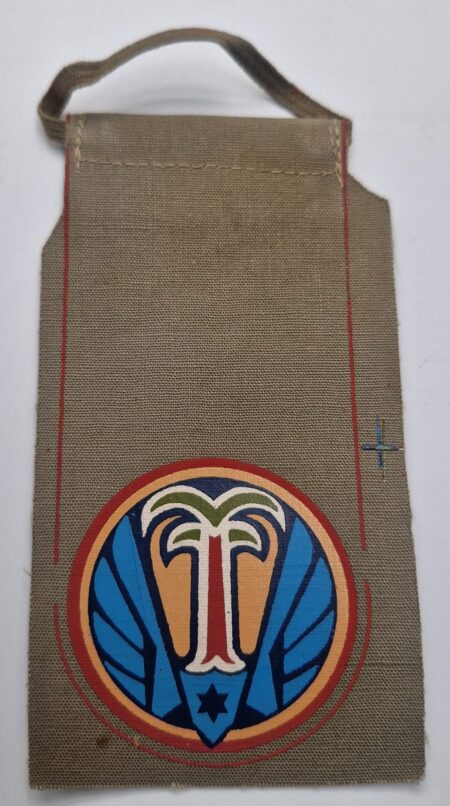
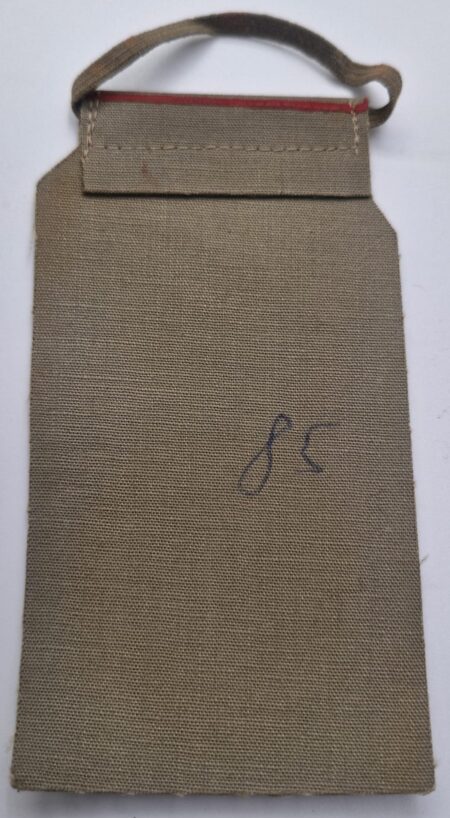
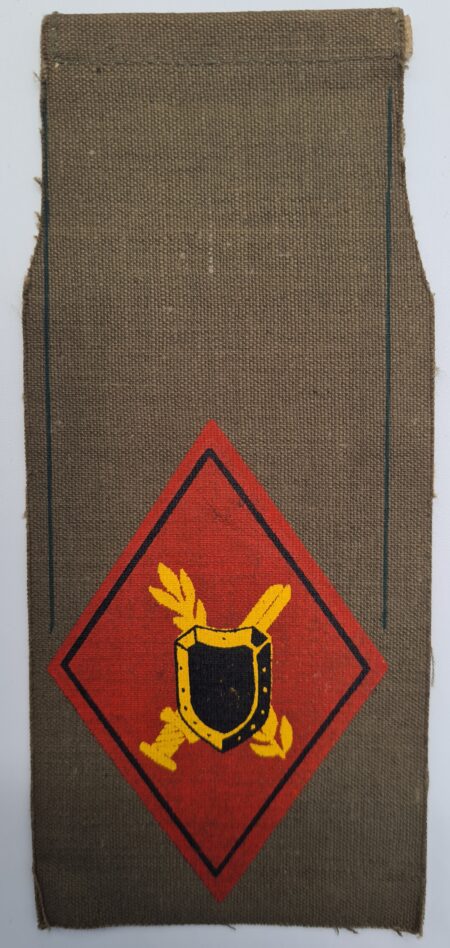
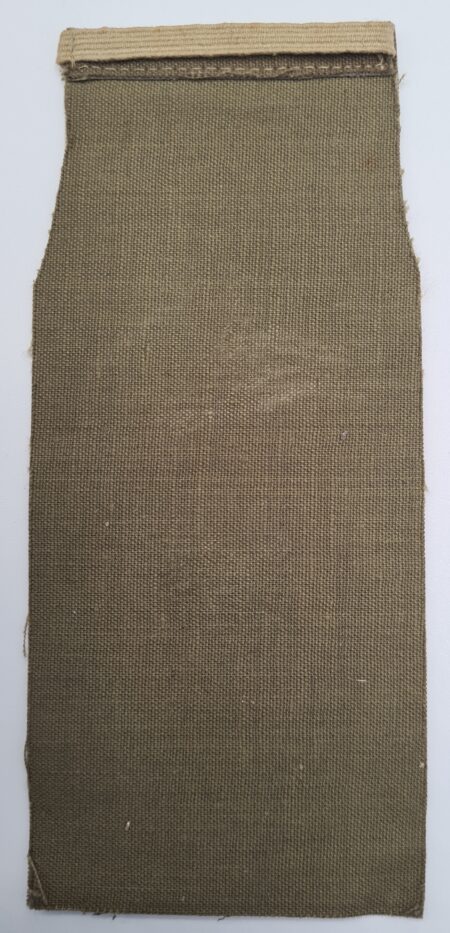
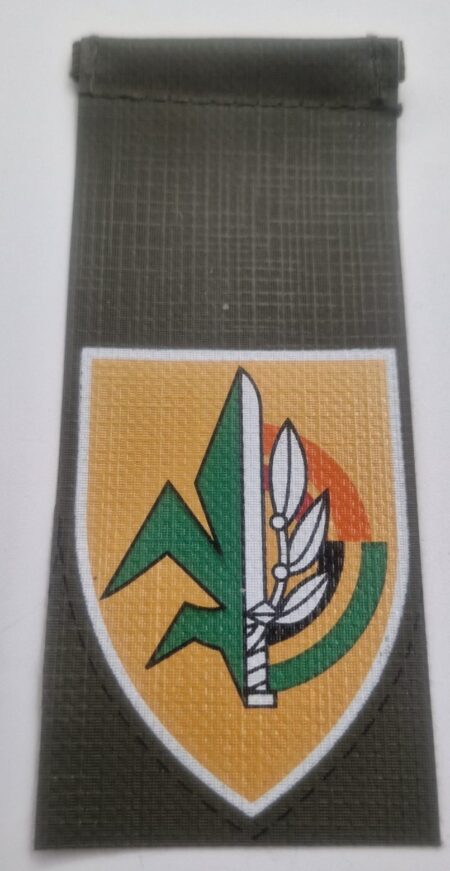
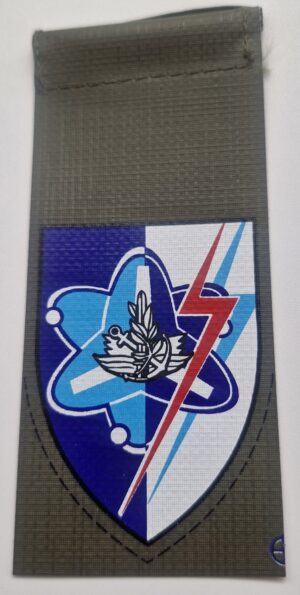
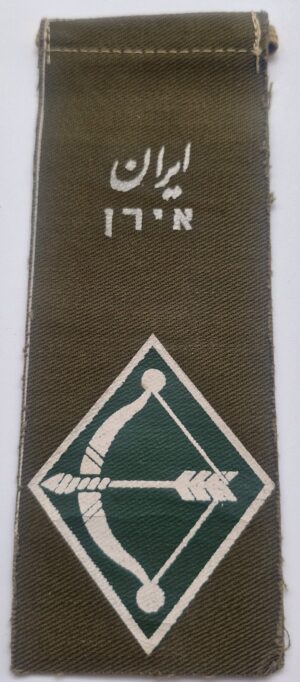
Rare Gadnaa badge for training in Israel of Ceylon (long before it was called Sri Lanka) 1950s-1960s
$500.00
2,029
In the 1950s and 1960s, as part of the foreign policy of Prime Minister David Ben-Gurion and Foreign Minister Golda Meir, Israel became a role model for Third World countries (mainly in Africa, but also in Asia and Latin America). These countries, which had just gained their independence, saw Israel as a young state that had managed to build a strong army, settle wilderness, and bring together youth from a variety of cultures. To meet the demand, Israel established a wide array of courses and international Gadna and Nahal missions that came to train in the country. The purpose of the missions and why specifically the Gadna? Leaders in Africa (such as Kwame Nkrumah in Ghana or Jomo Kenyatta in Kenya) were looking for a way to deal with two major problems: youth unemployment and a lack of national cohesion between different tribes. The Gadna model was seen as a perfect solution – a paramilitary framework that combines discipline, agricultural development, civic education and manual labor, without the obligation to become a permanent fighting army. How were the training and courses conducted in Israel? International course for youth commanders: Special courses were opened at the Gadna bases in Israel (mainly at the Sde Boker base and the Juara base) for delegations of youth commanders, officers and instructors from the Third World. Course content: The foreign trainees underwent physical training, leadership lessons, navigation, order and discipline exercises, alongside lectures on agriculture, cooperation (the kibbutz model) and the management of youth frameworks. Language and instruction: The courses were taught in French, English or Spanish by Israeli Gadna commanders who had undergone special training. Delegations of leaders and ministers: In addition to youth and instructors, ministers and heads of youth organizations from these countries came to Israel to witness the Gadna training, to be impressed by the results, and to sign agreements to establish similar frameworks in their countries. The main countries that participated Ghana: The first country to adopt the model. Its delegations established the “Ghana Young Pioneers” organization. Kenya: Kenyan youth were sent to Israel and later established the “National Youth Service.” Additional countries: Many delegations also came from Tanganyika (Tanzania), Uganda, Ivory Coast, the Central African Republic, Nigeria, and even from countries in Asia (such as Thailand and the Philippines) and Latin America (such as Ecuador). The end of the period The bringing of the delegations and the assimilation of the Gadna model in the Third World reached their peak in the mid-1960s. This enterprise almost completely declined following the Six-Day War (1967) and the Yom Kippur War (1973), when most African countries severed their diplomatic relations with Israel under pressure from Arab countries and the bloc.
Length: 125 mm | Width: 556 mm
Weight: 7 g
Out of stock