
| Weight | 7 kg |
|---|---|
| Dimensions | 72 × 11 cm |


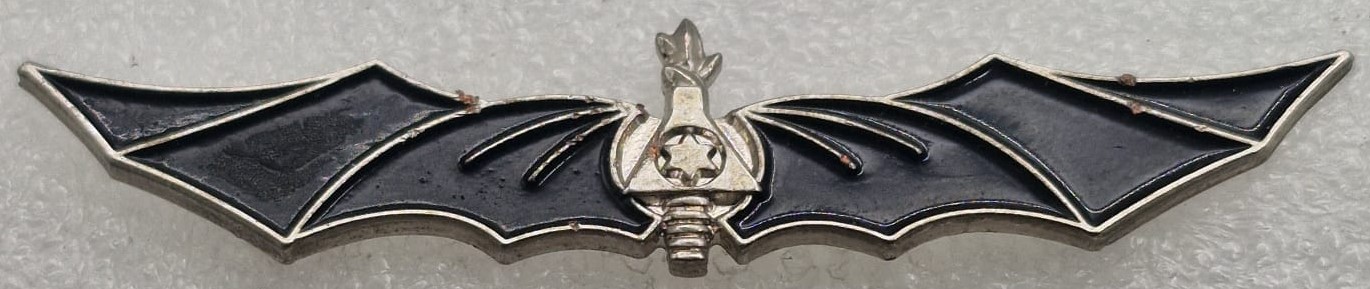
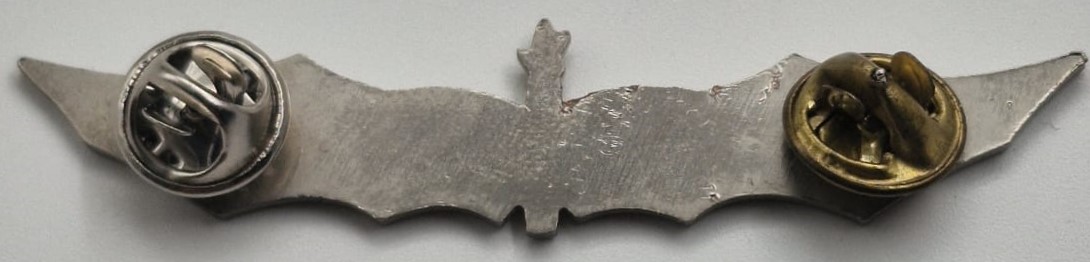
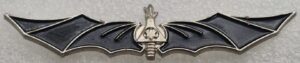
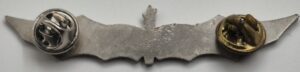
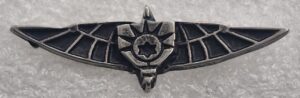
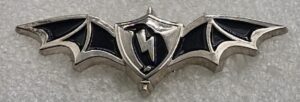
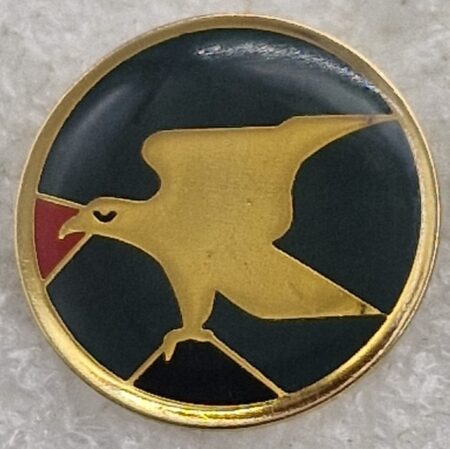
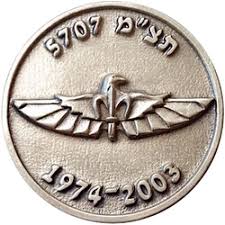
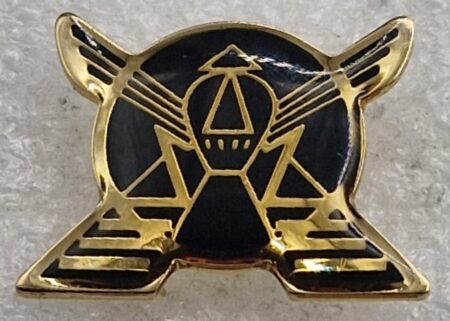
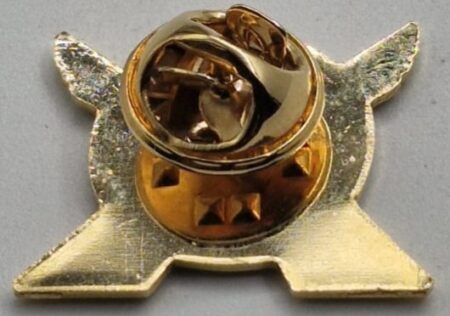
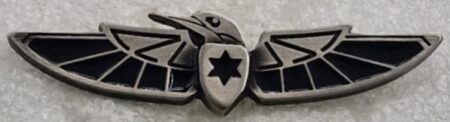
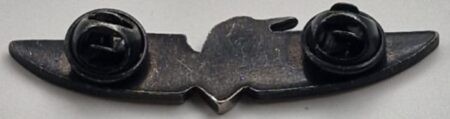
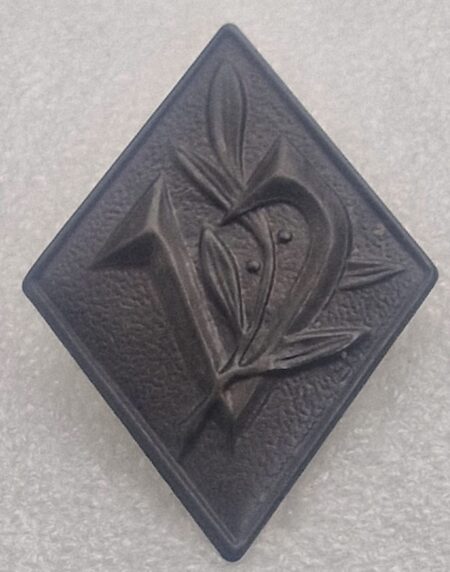
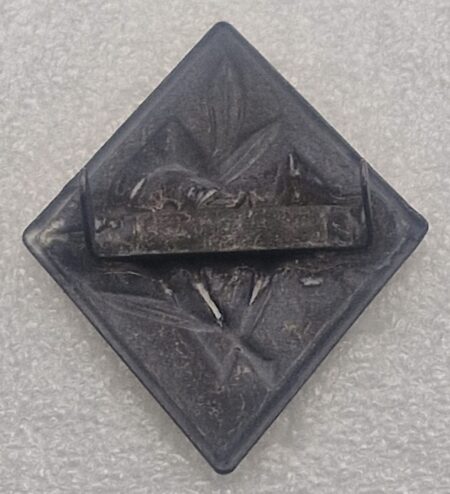
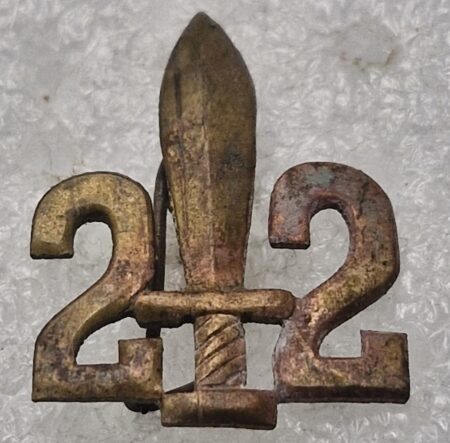
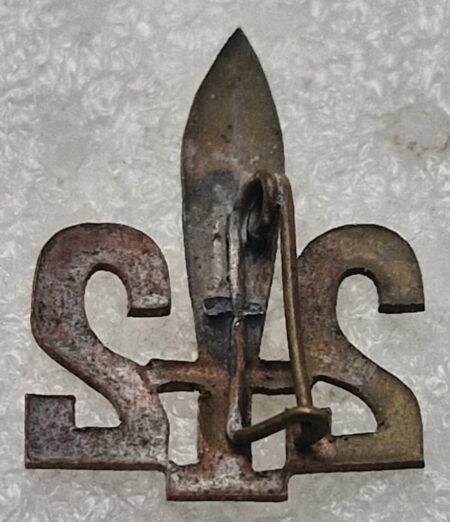
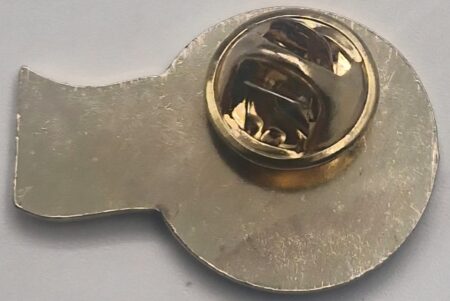
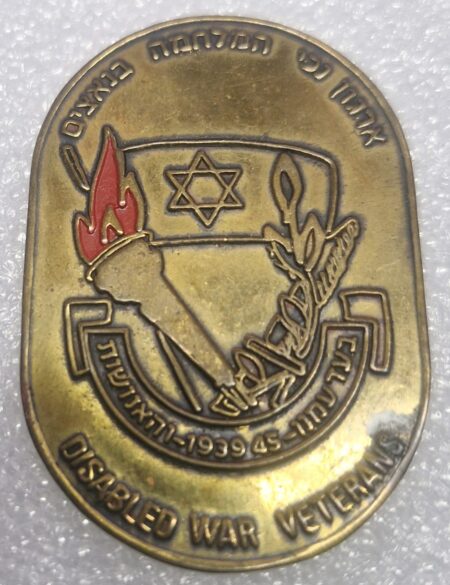
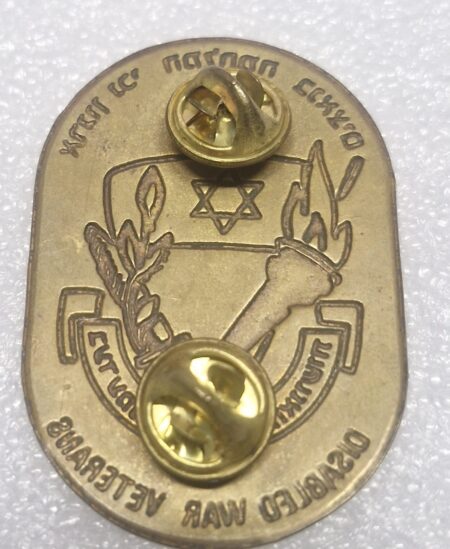
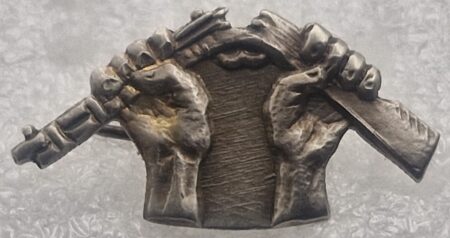
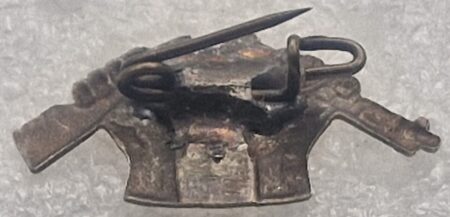
Electronic Warfare and Air Defense Suppression of Enemy Air Defense (SEAD) Unit 153 “The Unit in the Valley” 1974-2006 Exposed Operator Pin
$15.00
- Unit 153 (and later Squadron 153) was a classified unit in the Israeli Air Force, which operated in the 1970s and specialized in operating ground-based weapons systems to disrupt and damage enemy anti-aircraft radars. It was actually designed to damage enemy anti-aircraft radars from the ground and was known as one of the most secret units in the IDF of the 1970s that operated on the roads.
- Main characteristics:
- Designation: Electronic warfare unit (EW) and air defense suppression armament (SEAD).
- The unit was stationed at the Ramat David base and coined the nickname for itself
- “The Unit in the Valley” and dealt with air defense suppression using roving weapons that locate a radiating antenna of a radar system, home in on it, and lock onto it, destroying it with a direct attack
- History
- Unit 153 was established in 1974, and its first base was the Palmachim base. According to several sources, Wing 2, and only later settled in Ramat David.
- Weapons: “Potiphar” system, “Kachlelit” or “Kilshon” (Shrike missiles) and “Kres” system (Standard missiles).
- The unit operated “AGM-45 Shrike” and “AGM-78 Standard ARM” missiles, “), as part of the “Kres” missile system.
- AGM-45 Shrike – “Fist”, as part of the “Potiphar” and “Kachlelit” missile systems
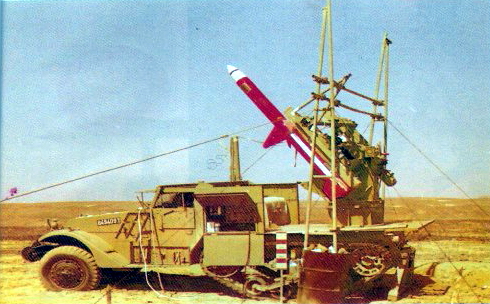
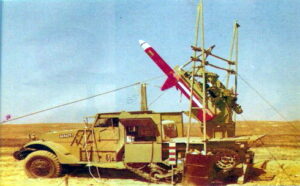
- • Potiphar In the last days of the Yom Kippur War, the “Mabat” factory completed the development of a top-secret system: the “Potiphar” system. The system was a rather strange hybrid between tracked and ground-based versions of the “Shrike” (AGM-45) air-to-ground missile. The missile was developed in the US during the Vietnam War and could lock onto missile battery radars based on the radiation emitted from the radar. The system had one purpose: to destroy enemy anti-aircraft battery radars. This idea of destroying radars from the ground was innovative. But there was a thorn in its side: the range of the Shrike missile was only 11 km and the Potiphar crew had to get dangerously close to the enemy batteries. The ambition to destroy a Syrian or Egyptian battery from within Israeli territory was not realized by this system.
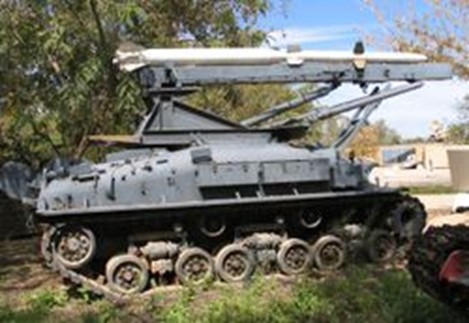
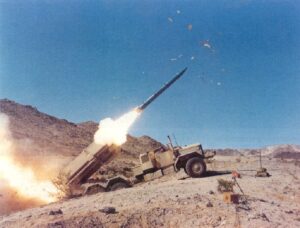
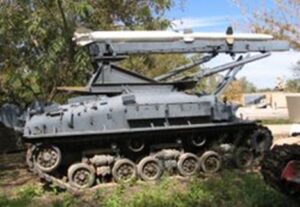
- Kachlelit or Kilshon A few weeks after the Yom Kippur War 1973 , the development of a new weapon system was completed: “Kachlelit” is a ground-based system developed in Israel for launching AGM-45 Shrike missiles from the hull of a Sherman tank. The turret was removed and in its place a launch track was installed. The Shrike missile, which was originally designed to be launched from an aircraft, was attached to a booster in order to lift the missile to a high altitude from which it could home in on the radiating radar of the surface-to-air missile battery and attack it. The missile’s range in this configuration was approximately 60 km.
- The joint development team of the Air Force and IAI: They won the Israel Defense Prize for 1974 for their development
- The system entered operational use in the Israeli Air Force shortly after the Yom Kippur War and was intended for air defense suppression missions.
- • Before the system was decommissioned, it was used in “Operation Artsab-19” to destroy Syrian surface-to-air missile batteries in the Lebanon Valley, during Operation Peace for the Galilee in June 1982. This was the only time the system was used operationally. (There are conflicting sources as to whether it was a Kahalit or Keres system)
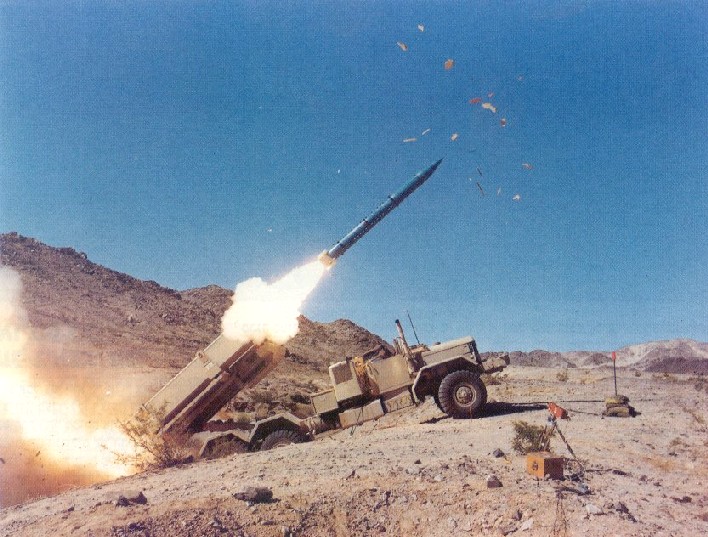
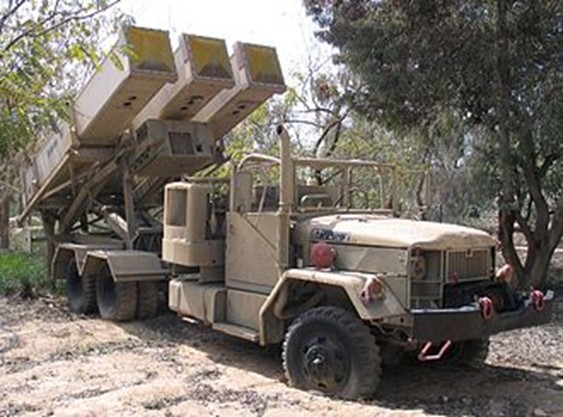
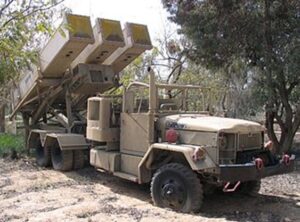
Keres
- In 1979, the Air Force adopted the “Keres” system, which gradually replaced the Kachlelit. The first “Purple Fist” missiles were delivered to the Israeli Air Force in 1976
After a series of tests on the modified missiles proved that the changes introduced did not impair its capabilities. The missile entered operational service in the Air Force in 1977
- Before the system was decommissioned, it was used in “Operation Artsab-19” to destroy Syrian surface-to-air missile batteries in the Lebanon Valley, during Operation Peace for the Galilee in June 1982. This was the only time the system was used operationally. (There are conflicting sources as to whether it was a Kachlelit or Keres system)
Length: 72 mm | Width: 11 mm
Weight: 7 g



Reviews
There are no reviews yet.