
| Weight | 34 kg |
|---|---|
| Dimensions | 106 × 35 cm |


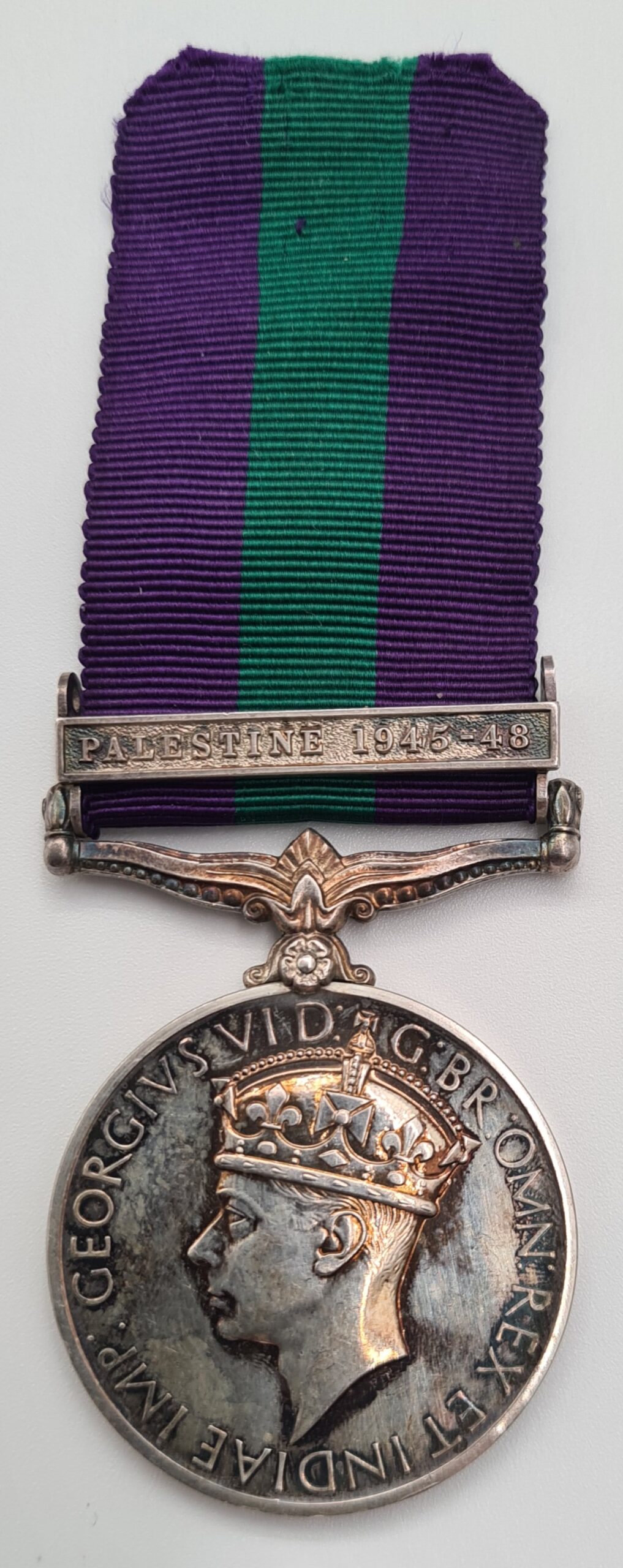
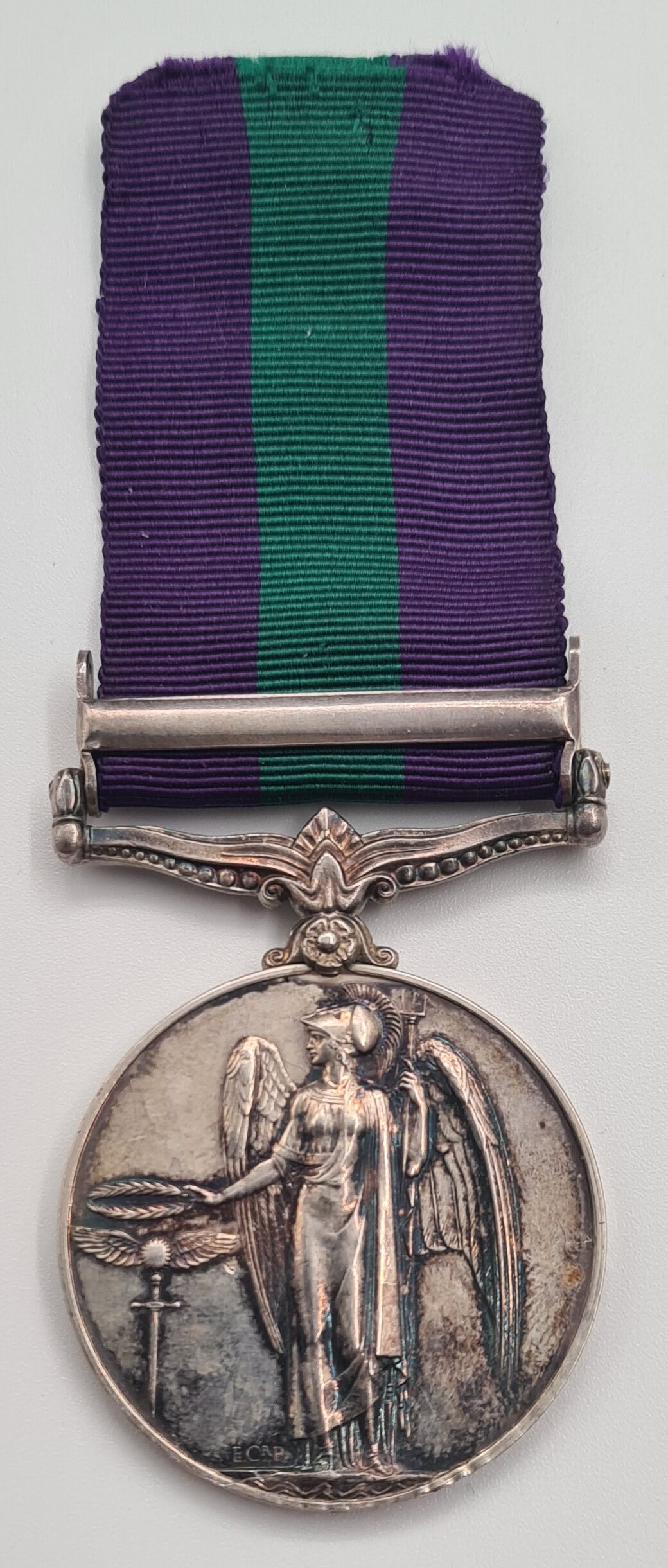
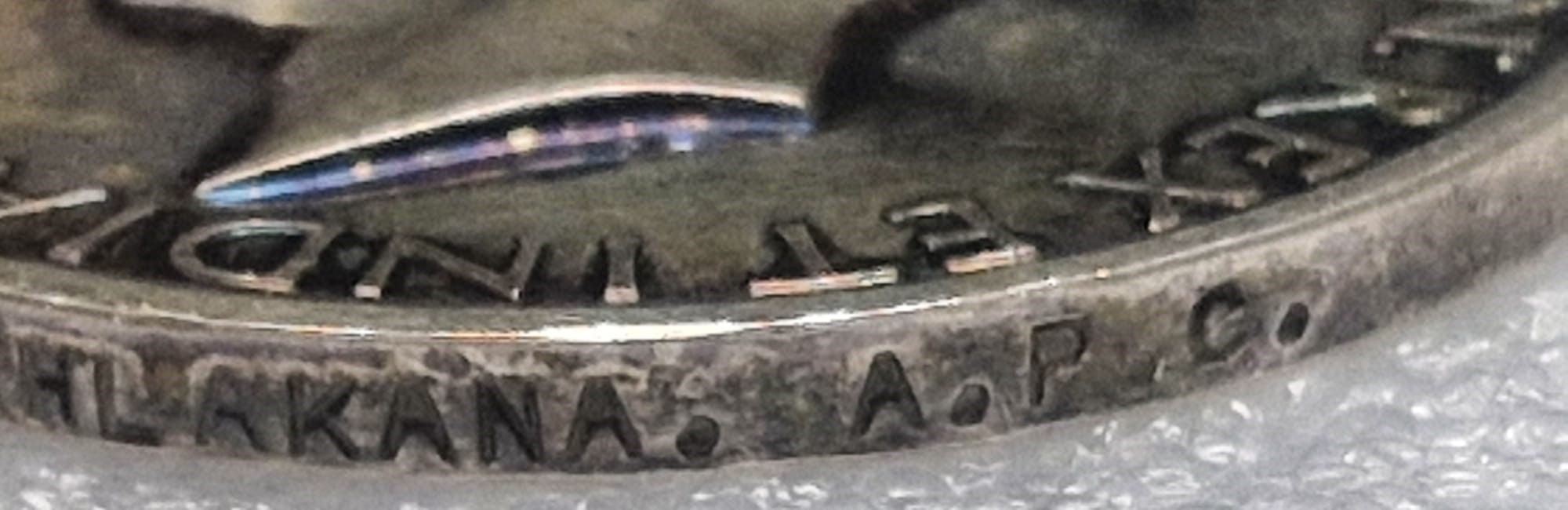
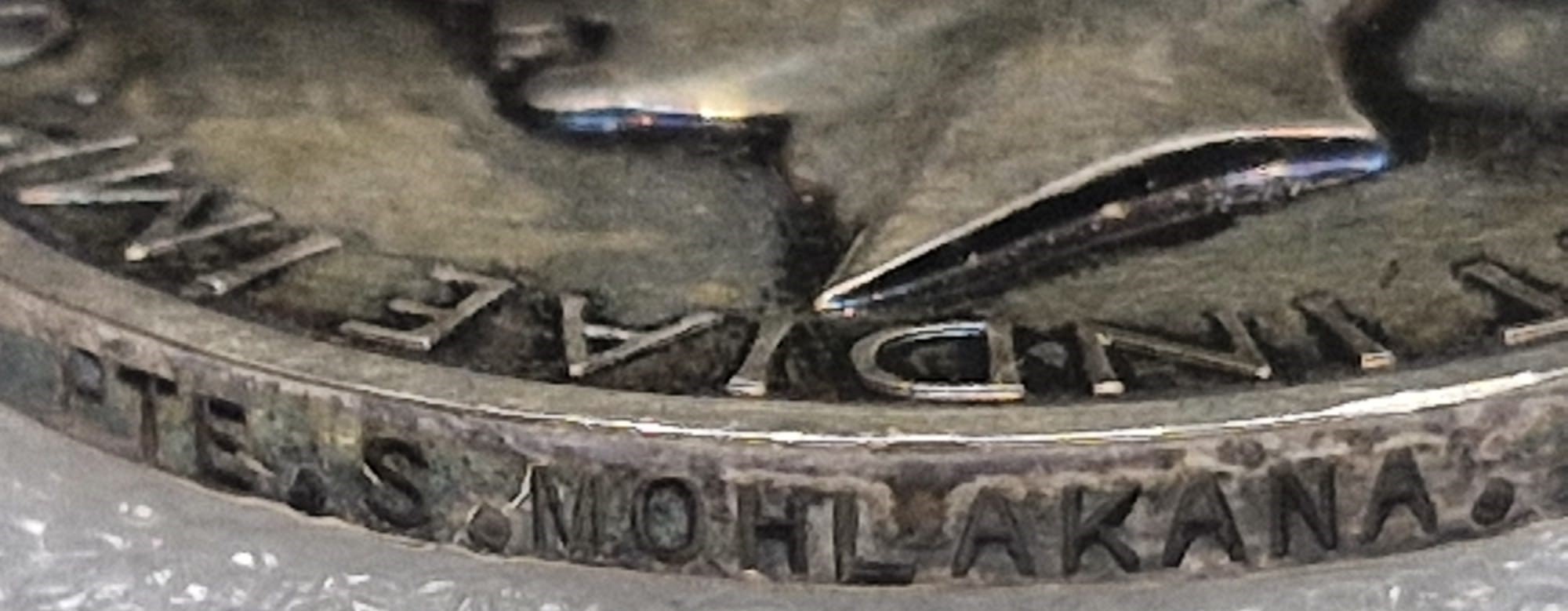
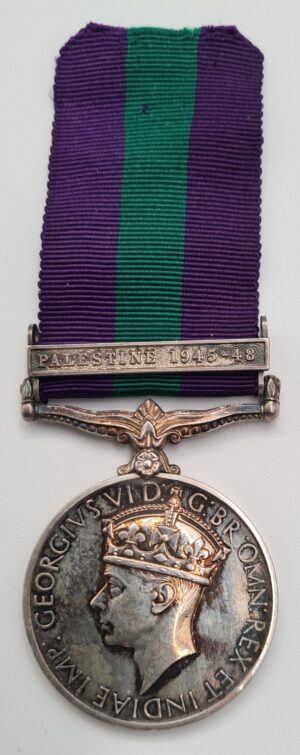
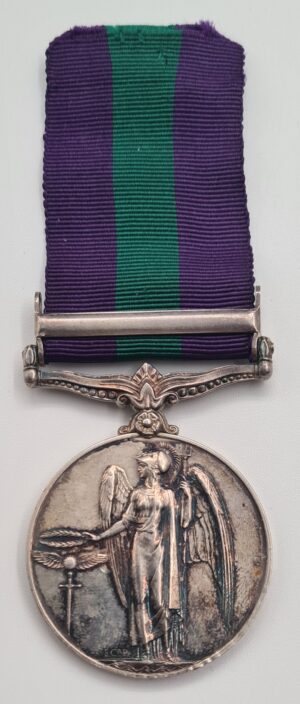
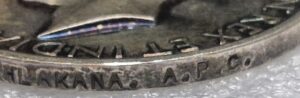
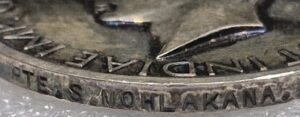
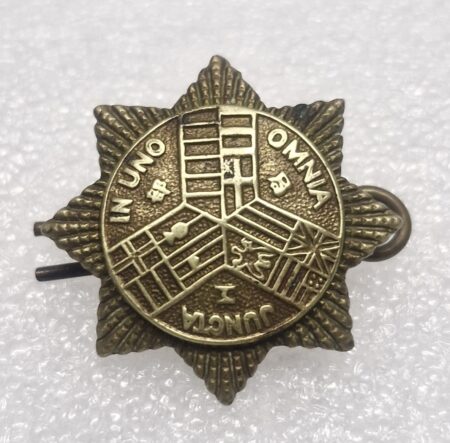
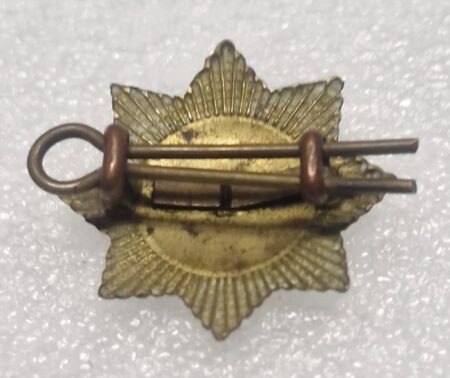
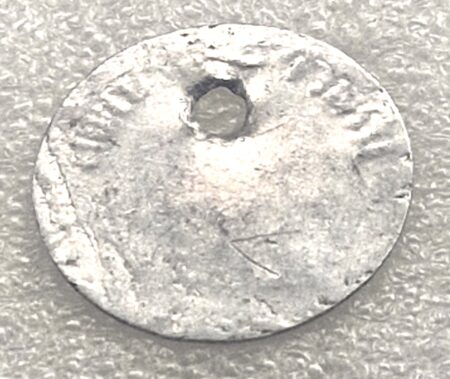
10034 G.S.M. GENERAL SERVICE MEDAL PALESTINE 1945-1948 AWARDED PTE.S.MOHLAKANA A.P.C.from African Pioneer Corps
$140.00
- Military General Service Medal
- https://en.wikipedia.org/wiki/Mili
-
- Palestine 1945-48 General Service Medal
- . The General Service Medal (General Service Medal) of the British Army, with a clasp (clause) inscribed “Palestine 1945-48”.
- 2. Historical background (1945–1948)
- The medal was awarded to soldiers who served in Israel between 27 September 1945 (declaration of the State of Emergency) and 30 June 1948 (departure of British British forces).
- 3. Characteristics of the medal
- Obverse: The portrait of King George VI appears.
- Reverse: The image of a winged “Victory” laying a wreath on the military emblems.
- Edge of the medal: The soldier’s name, his personal number and the unit in which he served are usually engraved on them
- The medal reads PTE.S.MOHLAKANA A.P.C. meaning he is a private
- The inscription on the medal sheds new and important light on the identity of the unit. The abbreviation
- .A.P.C on service medals in Israel 1945-48 refers to the African Pioneer Corps.
- The following are the updated details about the medal and the person:
- 1. The unit: African Pioneer Corps (A.P.C)
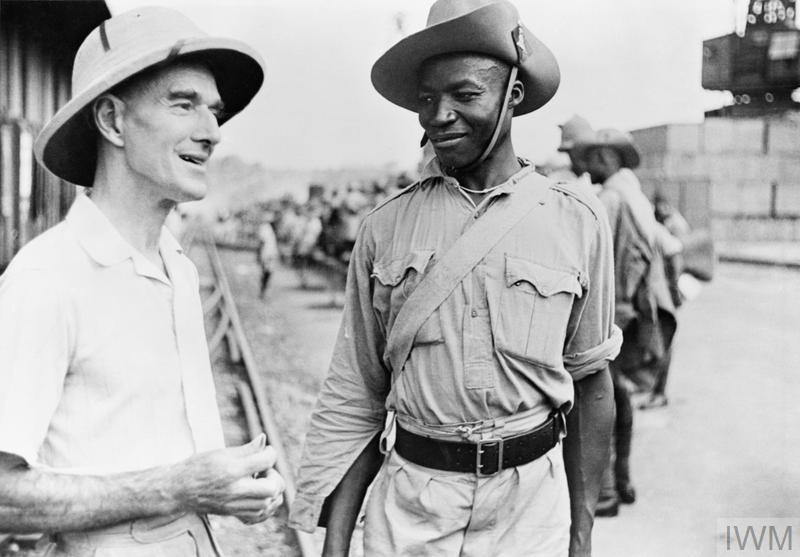
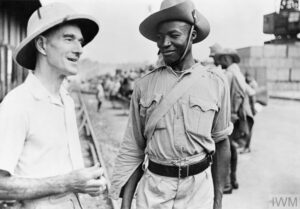
- This is an auxiliary corps of the British Army that was composed of soldiers from African countries (mainly from West and Southern Africa, such as today’s Botswana, Lesotho and Swaziland).
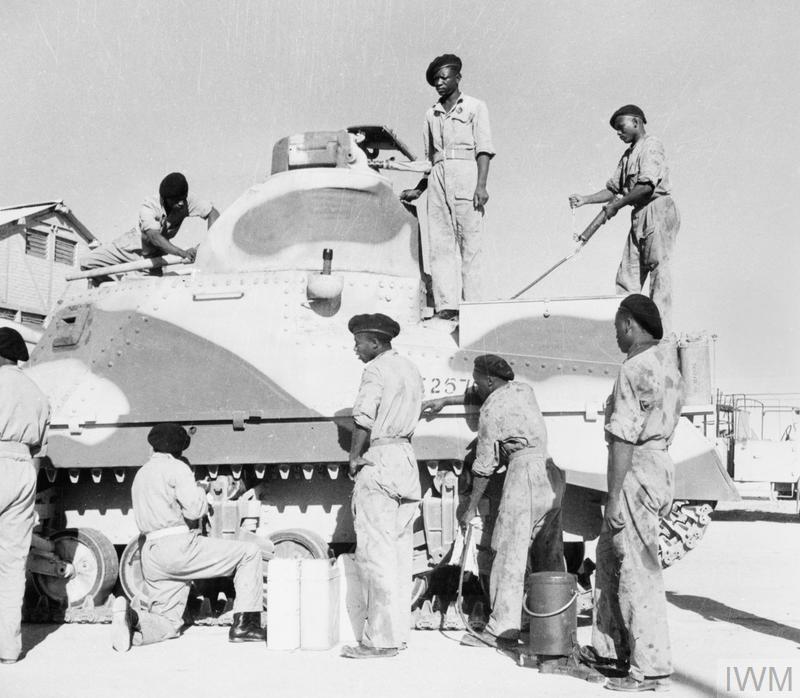
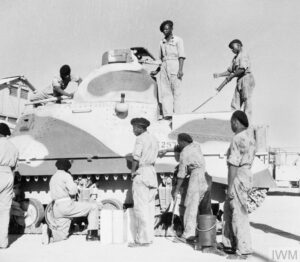
- Their role in Israel: They served as logistics, engineering and construction units. They set up camps, paved roads, engaged in unloading and loading at ports and guarded strategic installations for the British Army during the Mandate period.
- Rank: The inscription .PTE means Private.
- 2. Soldier Identification: PTE. S. MOHLAKANA
- The surname Mohlakana is very common in South Africa and Lesotho (among the Sotho people).
- He was a regular or reserve soldier recruited from the British colonies in Africa to support the war and administrative effort in Israel.
- Value Note: These medals, when they bear the name of a soldier from African units (APC), are considered an interesting collector’s item due to the documentation of the service of forces from the distant colonies in Israel at the end of the Mandate.
- African Pioneer Corps (A.P.C)
- https://en.wikipedia.org/wiki/African_Auxiliary_Pioneer_Corps
- The African Auxiliary Pioneer Corps (A.A.P.C.) was a unit of the British Army consisting of High Commission Territories (H.C.T.) natives. The A.A.P.C. was established in July 1941, after the paramount chiefs of the H.C.T. managed to convince the colonial authorities to create an independent force consisting of their subjects. During its service it provided crucial logistical support to the Allied war effort during the North African, Dodecanese and Italian campaigns. Initially a labor unit, A.A.P.C’s duties were gradually expanded to include anti-aircraft artillery operation and other combat duties. It numbered 36,000 men, 1,216 of whom died in the war. The last A.A.P.C. soldiers were repatriated in spring 1946 and the unit was disbanded in 1949.
- The unit had no problems with recruiting the initial contingent, however the 2ndone was not so popular and various unscrupulous steps were conducted to achieve the numbers such as:
- The Transvaal Gold Producers Committee agreed to bar job seekers from the H..T.Cs from applying, to curb the flow of people using the mines to evade conscription. Chiefs who collaborated with the British set up bogus tribal assemblies and men who attended were conscripted. A similar procedure was set at mines, whereby men seeking employment were taken through the back door to army trucks which immediately took them to military installations. When those methods failed to produce results, army recruiters relaxed their medical requirements and began raiding the countryside and abducting able-bodied men they came across.
- BATSWANA & BASOTHO TROOPS AT WAR WITH ZIONISTS IN PALESTINE (1945-48)
- , some have enquired about Batswana and Basotho serving together in Palestine (1945-48) as well as during the World Wars (1914-18 & 1939-45). They were deployed as part of the British forces stationed in Palestine during the “Emergency” that led up to the First Arab-Israeli War (1948-49). In this context, Batswana and Basotho members of the African Pioneer Corps (APC) and later High Commission Territories Corps came under attack when militant Irgun-Lehi guerrillas within the Jewish Resistance Movement renewed their assaults on the British.
- These incidents notably included the December 27, 1945, bombing of the Jerusalem CID headquarters, along with the CID station in Jaffa, and the Royal Electrical and Mechanical Engineers workshop in Tel Aviv. Four Basotho members of the APC were among the ten killed in the Jerusalem attack. Resentful of their continued deployment away from home months after the end of the war in Europe, Basotho troops mutinied, demanding immediate repatriation. The mutiny was ultimately put down by force, during which three more Basotho were killed and a dozen were wounded.
- That none of the Batswana APC companies ultimately joined in the mutiny may be attributed to their chain of command, which was rooted in their traditional regiments, or mephato. Notwithstanding their nonparticipation in the mutiny, there were those among the Batswana who had advocated taking up violent measures, as reflected in the following communication: “The Makgoa will realise that we mean what we say about the promise to send us home, be kept. Officers will know soon as a few of them are stoned or stabbed (as the Basotho have done before and will do again), active steps will then be taken to begin to repatriate these men.”
- In the aftermath of the mutiny, the British War Office recognised that the repatriation of the APC units could not be delayed indefinitely. As an investigative dossier concluded: “These reports of Basuto and Bechuana companies in Palestine make rather dismal reading. The reason for their attitude is only too clear, and, unfortunately, and it is unfortunate that they should have got the idea that they are being exploited because they are Africans. But facts were unmistakable; seven months after the war against Hitler had ended, these men were still in the army and still in the danger zone.”
- Yet despite the widespread resentment among the veteran APC companies, their military contribution to the British position in Palestine was considered valuable. Therefore, it was decided to raise fresh troops from among the three High Commission Territories for a new post-war military force known as the High Commission Territories Corps (HCTC).
- HCTC recruitment began in the early months of 1946 with 3,600 signing up for two and a half years of service. The Corps deployment in Palestine began in May 1946 and lasted until almost the end of the British mandate in May 1948. For nearly two years, the Corps thus performed guard and logistical duties when what had been primarily an insurgency by militant Zionist groups spiralled into a full-scale civil war between the Arab and Jewish population, with the Batswana and other British Empire forces caught in the crossfire.
- The men of the African Auxiliary Pioneer Corps came from the High Commission Territories of Basutoland (Now Lesotho), Bechuanaland (now Botswana) and Swaziland (now Eswatini).
- Most of them were sent to fight in the Middle East in numerous roles during WW2, After the war they were transferred to Palestine, but during this time morale suffered and there were several small mutinies, they were sent back home in Spring of 1946, the unit being disbanded during 1949.
- The African Auxiliary Pioneer Corps (A.A.P.C. It numbered 36,000 men, 1,216 of whom died in the war. The last A.A.P.C. soldiers were repatriated in spring 1946 and the unit was disbanded in 1949.
- The unit had no problems with recruiting the initial contingent, however the 2ndone was not so popular and various unscrupulous steps were conducted to achieve the numbers such as:
- The Transvaal Gold Producers Committee agreed to bar job seekers from the H..T.Cs from applying, to curb the flow of people using the mines to evade conscription. Chiefs who collaborated with the British set up bogus tribal assemblies and men who attended were conscripted. A similar procedure was set at mines, whereby men seeking employment were taken through the back door to army trucks which immediately took them to military installations. When those methods failed to produce results, army recruiters relaxed their medical requirements and began raiding the countryside and abducting able-bodied men they came across.
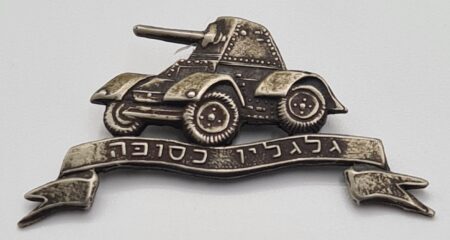
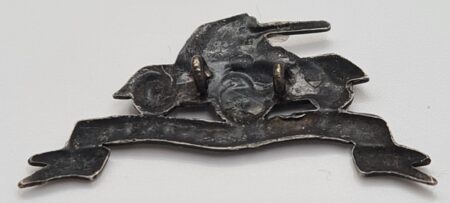
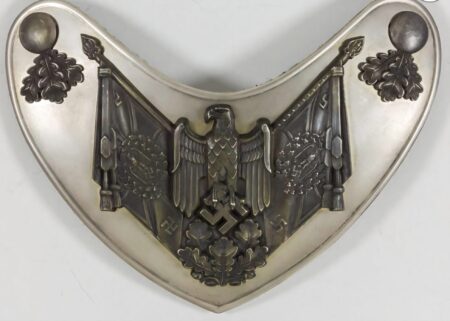
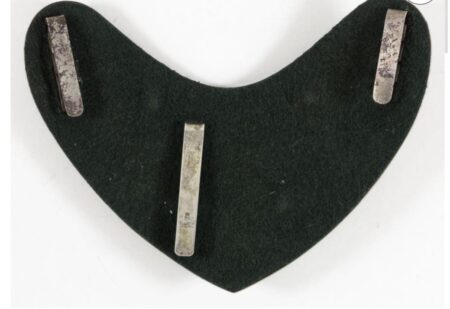
Length: 106 mm | Width: 35 mm
Weight: 34 g



Reviews
There are no reviews yet.